
BlogRead more
09.07.2025
Carat: A Small Unit of Great Value
The carat is a unit of mass used to measure gemstones, determining not only their weight but also their prestige and market value. Few realize that the word carat has roots in ancient times. Today, this unit is essential to the world of fine jewelry.
But how much does a carat actually weigh in grams? What does a one-carat diamond look like to the naked eye? And how does a gold carat differ from a diamond carat? Let’s take a closer look.
The History of the Carat: From Antiquity to the Modern Era
The word carat derives from the Greek kerátion (κεράτιον), a diminutive of kéras (κέρας), meaning “horn”. Historically, however, the term is linked to the carob tree (Ceratonia siliqua), whose curved seed pods resembled animal horns.
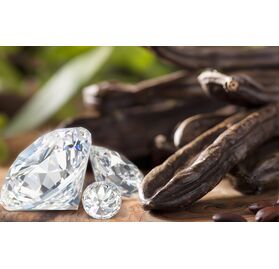
Fruits and seeds of the carob tree (Ceratonia siliqua). Carob powder, made from the seeds, is often used as a caffeine-free alternative to cocoa
Ancient merchants observed that carob seeds had an almost uniform weight — approximately 0.2 grams with minimal variation. This unique consistency made them a natural standard for weighing gemstones. In this way, the humble carob seed laid the foundation for gemological metrology, and the carat became a lasting symbol of precision over millennia.
Over time, during the Middle Ages, jewelers across different regions began facing a challenge: despite their remarkable uniformity, carob seeds still had slight but significant weight discrepancies. In Genoa, Italian merchants worked with “heavy” carats of up to 0.22 grams, while Arab traders in Alexandria used lighter standards, around 0.18 grams. In high-value transactions, even a 0.04-gram difference in a 10-carat diamond could translate into a 0.4-gram shortfall — an amount with serious financial implications.
Historically, the average weight of a single carob seed closely matched that of a one-carat diamond
The issue became particularly acute in the 17th and 18th centuries, when the volume of the gemstone trade increased dramatically. By 1871, no fewer than 47 different national carat standards were on display at the Paris Exposition. In response, French jewelers compiled a comparative table with conversion coefficients between the “Florentine,” “Venetian,” and “Istanbul” carats.
The situation changed only in 1907, when the 4th General Conference on Weights and Measures in Paris established the unified metric carat, defined as exactly 200 milligrams (0.2 grams) [1]. This decision:
eliminated regional discrepancies, reinforced the use of the decimal system, preserved the connection to a natural reference while eliminating its inconsistencies.
The General Conferences on Weights and Measures are convened at the International Bureau of Weights and Measures in Paris to make decisions on measurement standards and metrology. Key milestones from past conferences include: 1st Conference (1889): adoption of the international prototypes of the metre and the kilogram; 2nd Conference (1895): definition of the metre in terms of light wavelengths; 3rd Conference (1901): formal distinction between mass and weight, and adoption of the standard value for normal gravitational acceleration
Interestingly, the transition to the new standard took more than 20 years. In the USSR, the metric carat was officially adopted as the standard unit for weighing gemstones in 1922. Since then, the formula — 1 carat = 200 mg — has become a universal language for jewelers, gemologists, and collectors around the world.
How Carats Are Measured in the Jewelry Industry
The methods used to measure gemstone weight have come a long way — from carob seeds to modern electronic scales. Today, when a difference of just 0.01 carat can mean thousands of dollars, professionals rely on a wide range of high-precision instruments.
Several types of scales are commonly used when working with diamonds:
High-precision analytical balances — Used in leading certification laboratories such as GIA, IGI, and HRD. These instruments offer accuracy down to 0.0001 grams (0.0005 ct) and are calibrated according to international standards. They are operated in environments with controlled temperature, humidity, and full vibration isolation.
Jeweler’s scales with 0.001-gram precision — Commonly found in large retail stores and used by independent gemologists. These reliable, professional-grade tools provide accuracy up to 0.005 carats and are well suited for everyday use.
Compact digital showroom scales — Budget-friendly models accurate to 0.01 grams (0.05 ct). While useful for rough estimates, they are not suitable for certification or precise valuation.
Types of diamond scales: 1 – analytical balance, 2 – jeweler’s scale, 3 – compact digital scale
In professional settings, gemstone weight is measured exclusively using calibrated scales certified by OIML or NIST, with strict controls for temperature stability and level positioning. Some laboratories — including GIA — employ techniques to eliminate the influence of air, such as weighing stones in sealed containers.
Thus, measuring carats isn’t simply a matter of “putting a stone on the scale”, but a precise procedure requiring controlled conditions and specialized equipment — especially when it involves certified grading.
One-Carat Diamond Size: What Affects Its Diameter
When we talk about a one-carat diamond, it’s important to remember that carat refers to weight (0.2 grams), not a fixed size. A round brilliant diamond with ideal proportions typically has a diameter of about 6.4 to 6.5 mm [2].
However, two diamonds with the same weight can appear noticeably different in size depending on several factors:
Cut style.
Ideal round brilliant (58 facets): 6.4 – 6.5 mm.
Deep cut: appears smaller (down to 5.8 mm).
Shallow cut: appears larger (up to 7.1 mm), though a pavilion that’s too shallow can cause light leakage and reduce brilliance.
Shape.
Oval, pear, and marquise diamonds tend to look 10 – 15 % larger than round ones of the same carat weight.
Proportions and craftsmanship.
Small differences in pavilion depth or facet angles can significantly affect how large a diamond appears.
One-carat diamonds (left to right): deep cut, ideal cut, shallow cut
Why does this matter?
When buying online, it helps you better visualize the actual size of the diamond.
It explains why some diamonds appear larger than others, even when they weigh the same.
It helps you avoid disappointment — a diamond may weigh one carat but still look smaller than expected.
When choosing a diamond, remember: true value lies not in millimeters, but in how the stone plays with light — and in the craftsmanship behind the cut.
Carat vs. Karat: Weight or Purity
As we continue our exploration of this small unit of great value, it’s worth examining an intriguing paradox: why does the same word refer to both the weight of a diamond and the purity of gold? This linguistic overlap is no coincidence — it reflects centuries of jewelry history.
The confusion may date back to ancient times, when merchants in Eastern bazaars used carob seeds for multiple purposes. On one hand, they weighed gemstones with them; on the other, they assessed the quality of gold coins.
In the Roman Empire, there was a gold coin called the solidus, introduced by Emperor Constantine I in the early 4th century. The solidus weighed approximately 4.5 grams and was divided into 24 parts known as siliquae [3]. Each siliqua weighed about 189 milligrams — roughly the same as a single carob seed.
Gold coin issued in AD 309 by Emperor Constantine. The solidus (from Latin solidus, meaning “solid” or “durable”)
In Arabic sources such as those of al-Khwarizmi (9th century), the term qīrāt was used to denote 1/24th — a purely mathematical division, unrelated to the actual weight of carob seeds [4].
This division into 24 parts became the foundation for defining gold purity:
24 karats = pure gold
18 karats = 75 % gold
14 karats = 58.5 % gold
12 karats = 50 % gold
Today, the two systems have diverged but still share a common origin:
For gemstones (ct), the carat has remained true to tradition: 1 ct = 0.2 g — the approximate weight of a carob seed.
For gold (K), the karat has evolved into a precise mathematical measure: 24K = 99.9 % gold.
Interestingly, different countries handle this duality in their own way. In Europe, carat refers to gemstones, while karat refers to gold. In Russian, however, both terms are pronounced the same — which is why it’s important to pay attention to the notation: “ct” indicates gemstone weight, while “K” refers to gold purity.
What may seem confusing at first is, in fact, an elegant solution — a fusion of ancient tradition and modern precision. As it was centuries ago, the carat remains a universal language spoken by all who appreciate beauty — from ancient goldsmiths to modern gemologists.
In Russia, the metric hallmarking system is used: 375, 500, 585 (or 583), and 750. These correspond to the European karat-based system as 9K, 12K, 14K, and 18K, respectively. Higher purities such as 900 (22K), 958 (23K), and 999 (24K) are much less common on the market
Conclusion
The carat is more than just a unit of measurement — it tells a story of trade, science, and luxury. Today, the world of jewelry is unimaginable without it, and its origins continue to fascinate gemstone enthusiasts. Behind the simple abbreviation “ct” lies centuries of history: from ancient marketplaces and carob seeds to the ultra-precise analytical scales of the 21st century.
It has become the universal language of the jewelry world — recognized and respected across continents. The carat defines a stone’s value, rarity, and prestige. But more importantly, it gives the number 1.00 a deeper meaning: sometimes, a difference of just one hundredth of a carat marks the line between the ordinary and the exceptional.
Now that technology allows us to measure weight with micron-level precision, the importance of the carat continues to grow. It remains not only a unit of mass, but also a symbol of trust, refined taste, and investment-worthiness in the world of fine jewelry. And its origin — rooted in the ancient metaphor of nature’s precision — still commands respect from all who value true perfection.
References
1. Comptes rendus des séances de la quatrième Conférence générale des poids et mesures [Proceedings of the Fourth General Conference on Weights and Measures]: tenue à Paris en 1907. Paris: Bureau International des Poids et Mesures, 1907. 94 p. 2. Shelementiev, Yu. B., et al. (Eds.). (2005). Brillianty: diagnostika, ekspertiza, otsenka: uchebno-spravochnoe posobie [Diamonds: Diagnostics, expertise, and valuation: A reference and study guide] (2nd ed., rev. and exp.). Moscow: MAKS Press. 209 p. 3. Grierson, Ph. (1999) Byzantine Coinage. Washington, D.C.: Dumbarton Oaks Research Library and Collection. 4. Rashed, R. (1994) The Development of Arabic Mathematics: Between Arithmetic and Algebra. Boston Studies in the Philosophy and History of Science . Dordrecht: Springer Dordrecht, 1994. 382 p.
Read
18.04.2025
History of Diamond Synthesis
Le Chatelier
1908
For the modern chemist, the synthesis of diamond is as alluring a pursuit as the philosopher’s stone was to the alchemist.
Confirmation of Diamond’s Carbon Nature (17th – 19th centuries)
The first documented experiments on diamonds date back to 1694, when Florentine scientists Gianni Averani and Carlo Targioni, disciples of the great Galileo, used a focusing lens to show that diamond combusts when heated sufficiently.
In 1704, Isaac Newton, in his work “Opticks”, described the refractive properties of various substances, including diamond. It was specifically based on its refractive index that Newton concluded the mineral was of carbon origin.
Isaac Newton: experiments with light
In the spring of 1772, Antoine Lavoisier used a giant magnifying glass, 84 centimeters in diameter, to burn a diamond inside a sealed glass container. In later experiments, he discovered that both diamond and charcoal, when burned, produced the same gas: carbon dioxide. This finding convinced him that diamond and charcoal were composed of the same element, which he named “carbon”.
Antoine Lavoisier: burning diamond in an “Igniting machine”
A few decades later, in 1796, the English chemist Smithson Tennant repeated Lavoisier’s experiment on the combustion of diamond. In his version of the experiment, he used a gold vessel and directed the gas produced during combustion into a solution of limewater. From the fact that chalk (calcium carbonate) precipitated as a result of the experiment and from the amount of it, Tennant was able to determine both the type and volume of the gas produced [1].
Excerpt from Smithson Tennant’s 1796 article “On the Nature of the Diamond”
In the course of his experiments, Tennant demonstrated that burning diamond produces exactly the same amount of carbon dioxide as burning an equal mass of charcoal.
In the early 19th century, Lavoisier’s experiment was repeated once again by the English chemist Humphry Davy and his assistant, a young physicist named Michael Faraday. Davy was reluctant to accept that diamond and coal shared the same nature — one being a beautiful, precious gemstone, and the other a black, grimy substance: graphite.
Humphry Davy and Michael Faraday: experiments with diamonds
In 1814, Davy and Faraday burned a diamond inside a flask filled with oxygen. As a result, only carbon dioxide was produced, once again confirming the carbon composition of diamond.
S. Tennant
1796
There could hardly be any doubt that it consisted of the same elements as charcoal. Thus, chemists no longer needed to waste time determining the chemical makeup of diamond (it was carbon, and nothing else), and could instead focus on how to “condense” carbon to such a degree that its refractive index matched the one Newton had measured.
The First Attempts at Diamond Synthesis (19th Century)
Experimental scientists had successfully learned to burn diamonds, but producing a radiant crystal from charcoal proved much more difficult.
The first known attempt to produce diamond came nine years after the experiments of Davy and Faraday, in 1823, by the Russian scientist Vasily Karazin. He took a tar-like residue from the dry distillation of wood and heated it until it reached white heat. The solid mineral obtained from the experiment he named “pyrogon”, meaning “born of fire”. Unfortunately, no evidence has survived linking the crystals of pyrogon to diamond.
Six years later, in 1829, another attempt to create diamond was made by the French scientists Caignard de la Tour and Jean-Nicolas Gannal. Although the results of their experiments were presented to the French Academy at the same time, the two worked independently.
Caignard de la Tour submitted ten tubes containing brown crystals, which he claimed were harder than quartz. However, testing revealed that they could be easily scratched by diamond and showed no reaction to high heat. It was concluded that they were likely silicates. De la Tour did not disclose his method of production [2].
Gannal, on the other hand, prudently submitted his stones for evaluation by the renowned Parisian diamond cutter Champigny, who confirmed that they were indeed diamonds. However, the scientific community did not accept the jeweler’s conclusion. Moreover, neither Gannal nor any other researchers were able to reproduce his process, which had involved a chemical reaction between carbon disulfide, water, and phosphorus.
Journal “Nature” (Book 3)
1875
Today, when physics and chemistry have made such significant strides, it may be of interest to many to ask: why have diamonds still not been created artificially, and how far has science actually progressed in this regard?
The Beginning of High-Pressure Experiments
In the 19th century, scientists approached diamond synthesis largely through intuition. They relied on the known conditions under which diamond transforms into graphite and attempted to reverse the process, focusing primarily on high temperatures. It was only fifty years later that experiments began to take into account a crucial factor in diamond synthesis: pressure. The idea was that temperature gave carbon atoms the mobility needed for transformation, while high pressure helped restructure the substance into a denser, harder form.
In 1878, Scottish chemist James Hannay began conducting diamond synthesis experiments using special steel tubes with 4 cm thick walls. Inside these tubes, he placed bone oil, a mixture of hydrocarbons, and metallic lithium. The tubes were then sealed and heated in special furnaces until red-hot. Out of 80 trials, only three tubes did not explode. From those, Hannay recovered solid, transparent crystals. In 1880, he announced that he had successfully produced diamonds [3].
However, as later revealed through X-ray analysis, the diamonds turned out to be natural. Whether the deception was carried out by Hannay himself or by his assistants remains unknown. Nevertheless, it was the first documented attempt to produce diamond under high pressure and temperature.
Soon after, scientists experimenting with pressure took a safer approach. They began using the property of certain metals — such as iron, silver, bismuth, and gallium — to expand upon solidification, thereby generating high internal pressure within the ingots.
In 1893, Konstantin Khrushchov conducted experiments in which he saturated boiling silver with carbon and then rapidly cooled it. The resulting ingots contained hard crystals that could scratch corundum — the hardest mineral after diamond — and would burn when heated. Based on these characteristics, he concluded that the crystals were indeed diamonds [4].
Equally intriguing experiments were conducted around the same time by the French scientist Henri Moissan [5].
Henri Moissan in front of his electric arc furnace
He used iron (cast iron) mixed with powdered carbon, melting it in a graphite crucible — a vessel designed to withstand extreme heat — at temperatures ranging from 2,000 to 3,500 °C in an electric arc furnace. Once calculations indicated that the iron had absorbed sufficient carbon, the molten metal was poured into ice-cold water. This rapid cooling created high pressure within the ingot, resulting in the formation of hard, dark crystals less than 0.7 mm in size. As in Khrushchov’s experiments, these crystals were able to scratch corundum and burned in oxygen.
Several researchers based their synthesis efforts on the assumption that natural diamonds form under extremely high pressure — significantly greater than what is produced by simply cooling molten metals. One of the most notable was British inventor Charles Parsons, known for developing the steam turbine. Starting in 1887 and culminating in a detailed report presented to the Royal Society in 1918, Parsons conducted thousands of diamond synthesis experiments.
One particularly fascinating series of experiments involved the use of a 0.9-inch duck gun, which he fired into a specially constructed solid steel block. The barrel of the gun was preloaded with oxygen and an excess of acetylene. When fired with two drachms of gunpowder, a piston was propelled to within 1/8 inch of the chamber’s end, generating pressures exceeding 15,000 atmospheres.
Charles Parsons’ diamond synthesis apparatus
Charles Parsons, from his lecture to the Royal Society
April 25, 1918
From the molten layer of the end plug, a small crystalline residue was obtained. Among it, a single non-polarizing crystal was isolated — likely a diamond, though too small to be identified with absolute certainty.
Due to the lack of comprehensive knowledge regarding the physical and chemical properties of diamond and graphite, as well as the absence of reliable methods for distinguishing between natural diamonds and diamond-like crystals, skeptics cast doubt on the results of K. Khrushchov, H. Moissan, Ch. Parsons, and other experimenters. They tended to believe that the crystals produced during these synthesis attempts were not true diamonds, but rather carbides — compounds of carbon with metals.
Scientific Basis for the Conditions of Synthesis (20th Century)
In 1915, Lawrence Bragg and his father, William Bragg, were awarded the Nobel Prize “For their services in the analysis of crystal structure by means of X-rays”.
Crystal structures of graphite (left) and diamond (right)
The unit cell of diamond has a cubic lattice structure containing 18 carbon atoms. It is this unique crystal structure that gives diamond its remarkable optical, physical, and chemical properties.
In 1938, American researchers Frederick Rossini and Roy Jessup developed a method for producing pure samples of crystalline graphite, enabling accurate and reproducible experimental data for further theoretical calculations [6].
In 1939, Soviet physicist Ovsey Leipunsky, a specialist in explosives and propellants, relying on the work of Rossini and Jessup, became the first in the world to calculate the complete phase diagram of carbon — a graphical representation of the conditions under which a substance becomes solid, liquid, gaseous, or undergoes structural transformations. On this diagram, he identified all the necessary conditions for synthesizing diamond in laboratory settings: pressure of 6 – 7 GPa, temperature of 1,600 – 1,700 °C, and the presence of a metal solvent (such as iron, nickel, or similar elements) [7].
Ovsey Leipunsky’s phase diagram of carbon
Although all the theoretical foundations for diamond synthesis were already known, solving this complex technical problem in practice required more than a decade of intensive research.
Breakthrough in Ultra-High Pressure Technology
The development of high-pressure apparatuses is closely linked to Percy Bridgman, a Harvard professor and Nobel laureate “For the invention of an apparatus to produce extremely high pressures, and for the discoveries he made in the field of high-pressure physics”. Bridgman viewed the challenge of creating synthetic diamond as a test of his own ingenuity.
Percy Bridgman (right) in the laboratory, 1941
Bridgman and his team designed various high-pressure devices. In most of them, the test material was compressed from four sides using tetrahedral anvils made of an ultra-hard material called Carboloy (tungsten carbide cemented with cobalt) [8]. Using such an apparatus, Bridgman’s group successfully synthesized the mineral garnet, including pyrope — a vivid red variety that is a natural companion of diamonds in kimberlite pipes.
In standard-condition experiments, Bridgman was able to reach pressures of up to 45 GPa. In 1941, one of his devices generated 3 GPa and 3,000 °C for several seconds during the combustion of thermite (a mixture of aluminum and metal oxides). However, diamond synthesis had not yet been achieved at that point.
Percy Bridgman
1941
Attempts to succeed in this fascinating problem have drawn upon the full spectrum of humanity — from brilliant scientists to outright charlatans and crooks, all of them offering it their minds and their passions.
The First Successful Syntheses (1950s – 1960s)
On February 15, 1953, for the first time in history, synthetic diamonds were produced at ASEA (Allmänna Svenska Elektriska Aktiebolaget) — one of Sweden’s leading electricity companies. Building on the theoretical work of Ovsey Leipunsky, engineer Erik Lundblad and his assistants, Anders Eriksson and Gunnar Valin, carried out this technically challenging operation using a cubic high-pressure apparatus.
The process involved placing graphite, iron carbide, and thermite inside a tantalum container, which was then sealed within a pressure block and subjected to extreme conditions. At a temperature of 2,500 °C and a pressure of 8 – 9 GPa, held for two minutes, the team obtained between 20 and 50 diamond crystals measuring 0.1 to 0.5 mm in size.
The Swedish researchers did not initially consider their results significant, as they had hoped to produce gem-quality diamonds, and they lacked sufficient data to reproduce the process. As a result, they did not file for a patent, nor did they publish their findings. Their priority in the discovery was only recognized later through a legal ruling.
At the same time, scientists at General Electric (GE) in the United States were actively developing their own high-pressure apparatus and calculating the technological parameters required for diamond synthesis. The project was conducted in secrecy and was known internally as “Superpressure”.
The “Superpressure” project team (left to right): Francis Bundy, Herbert Strong, Howard Tracy Hall, Robert Wentorf, Anthony Nerad, James Chaney
In July 1953, a team of chemical engineers at General Electric — Francis Bundy, Herbert Strong, Robert Wentorf, and Howard Tracy Hall — developed the “Belt” apparatus. The name referred to the ring-shaped tungsten carbide structure that supported the central reaction chamber, reinforced by a band of high-strength steel. This design allowed for a nearly twofold increase in achievable pressure.
A key figure in the project was Tracy Hall, who had previously attempted to synthesize diamond on his own and joined the team with proven methods and hands-on experience.
Operating principle of the reaction cell in the “Belt” High-Pressure apparatus
On December 16, 1954, Tracy Hall and his team successfully synthesized diamonds inside a tantalum container, using a mixture of graphite and iron sulfide, at a temperature of 1,600 °C and a pressure of 7 GPa. The process lasted between one and three minutes, and the largest crystals formed measured up to 0.8 mm.
Howard Tracy Hall
1954
My eyes caught the glint of dozens of tiny crystals. My hands began to tremble, my knees gave way beneath me — I realized that diamonds had finally been created by man.
Herbert Strong and his assistant James Chaney working with the diamond press developed by the GE team in 1955
Before making their discovery public, the team had to satisfy GE’s identification requirements for the synthesized stones — such as X-ray analysis, physical-chemical properties, and optical characteristics. Only in March 1955 did General Electric officially announce the breakthrough and immediately began industrial-scale production of HPHT (High Pressure, High Temperature) diamonds.
By 1957, GE reported having produced 100,000 carats of diamond powder. However, at that time, the cost of synthetic diamonds was 24 % higher than that of natural ones.
Howard Tracy Hall with a tetrahedral press, 1960
Observing the success of foreign scientists, the Soviet government was determined not to fall behind the leading countries in the field of diamond synthesis. On March 20, 1959, by order of the Council of Ministers of the USSR, a directive was issued to synthesize and implement a technology for producing synthetic diamonds under high pressure within three years.
Just one year later, synthetic diamonds were successfully produced at the Institute for High Pressure Physics of the USSR Academy of Sciences by a team led by Leonid Vereshchagin, using a structurally simple yet effective high-pressure apparatus known as the “lens-type” press — the prototype of today’s toroid-type apparatus [9].
Diagram of Vereshchagin’s apparatus:
1 — cylindrical graphite heater; 2 — “lens-type” high-pressure container; 3 — hard alloy anvil with a cavity; 4 — steel support rings
Less than a year later, at the Central Design and Technological Bureau for Hard Alloy and Diamond Tools (later the Institute for Superhard Materials of the Academy of Sciences of the Ukrainian SSR, Kyiv), industrial diamond production was launched under the leadership of Vladimir Bakul.
Initially, the production cost was high — 135 rubles per carat, roughly 30 times more expensive than natural diamonds. As a result, the apparatuses were refined and improved over the following months.
By 1963, a cost-effective and materials-accessible production process was established, enabling the annual output of 3 million carats of synthetic diamonds — enough to fully meet domestic demand and begin export [10].
Industrial High-Pressure chambers for diamond synthesis: “Lens-Type” and “Toroid” Designs
In the years that followed, continuous efforts were made to develop and improve equipment for the production of HPHT diamonds, with the primary goals of reducing production costs and increasing crystal size.
After all, the first industrial batches of synthetic diamonds were of technical grade — achieving gem-quality was still ahead.
At this stage, the focus shifted from merely reaching the required pressure and temperature parameters to maintaining those conditions stably over extended periods during crystal growth.
Advancements in HPHT Diamond Synthesis Technologies
In the 1970s, General Electric succeeded in producing the first gem-quality synthetic diamonds up to one carat in size. However, the production costs were still too high to compete with natural stones.
In 1989, scientists and engineers at the V.S. Sobolev Institute of Geology and Mineralogy of the Siberian Branch of the Russian Academy of Sciences (Novosibirsk) developed a unique high-pressure apparatus known as BARS (Split-Sphere, Non-Press Apparatus) [11].
BARS system for diamond growth
The apparatus allows pressure of up to 8 GPa and temperatures of up to 1,800 °C to be maintained with high precision for weeks at a time within a reaction cell of approximately 2 cm³ in volume.
Diagram of the BARS apparatus reaction cell
The cubic reaction cell is compressed by six hard alloy pistons positioned at the vertices of an octahedron. These pistons are, in turn, compressed by eight steel punches, which are formed by segmenting a sphere in a specific geometric pattern.
In the early 1990s, the BARS system made it possible to produce diamonds weighing up to 1.5 carats. After certification of the Novosibirsk-grown crystals at leading international scientific centers, the apparatus and accompanying technological process were officially recognized and adopted under the terms BARS equipment, BARS technology, and BARS diamonds in foreign literature.
Later on, engineers in various countries developed modified versions of similar high-pressure apparatuses. These included the Toroid system (Russia), further developed from Vereshchagin’s work, the 6/8-type Kawai press (Japan), and the Walker-type apparatus (USA).
Kawai apparatus: 1 — hydraulic press, 2 — oil reservoir, 3 — steel rings compressing the first stage, 4 — six first-stage punches, 5 — eight second-stage hard alloy pistons forming a split cube, 6 — octahedral high-pressure chamber, 7 — sample
Walker apparatus: a — six steel punches (cut from a cylinder), forming the first stage of the device. Inside them is an assembly of eight hard alloy or diamond cubic punches (second stage), compressing the octahedral high-pressure cell, b — massive steel ring into which the first stage is inserted, c — diagram of force application from an 800-ton hydraulic press to the entire assembly, d — general view of the apparatus
As we approach the present day, it is worth noting that Toroid-type and BARS-type presses are still used by some manufacturers. However, modern technologies for gem-quality diamond synthesis are increasingly being implemented using multi-ton cubic presses, most of which are now manufactured by Chinese companies.
Cubic presses for diamond production, China
Since the mid-2010s, manufacturers have been presenting to the public record-breaking lab-grown diamonds in terms of carat weight, color, and clarity — including stones weighing 10 carats, 15 carats, and even 17 carats.
Record-breaking diamond of 2015 (30 Carats), Grown by russian company New Diamond Technology
The Era of CVD Diamond Synthesis
An interesting episode occurred in the winter of 1942 in Kazan, where the Leningrad Institute of Chemical Physics had been evacuated along with its staff. Professor David Frank-Kamenetsky injured his hand and was forced to step away from his primary work on explosives for a couple of weeks. He decided to devote this time to the topic of diamond synthesis [10].
The scientist predicted the possibility of producing diamonds at reduced pressures. He believed that the process could be achieved in a gaseous environment using diamond seeds as nucleation points.Frank-Kamenetsky focused on the amount of carbon required for crystal growth and concluded that too much carbon would lead to the formation of graphitic structures. In his view, methane was the most suitable gas for the synthesis process. He also noted that diamond growth is a slow process — growing a 1-gram crystal could take about a year.
David Frank-Kamenetsky
1942
All three factors — temperature, pressure, and the amount of carbon — must be in strict balance with one another. It is therefore not surprising that attempts to grow diamonds under randomly selected, uncalculated conditions have never led to success.
Unfortunately, the war and more urgent tasks at the time did not allow this work to continue. The scientist returned to the development of explosives, and his manuscript was never published.
In 1956, Soviet researchers Boris Spitsyn and Boris Deryagin investigated a method for synthesizing diamond at reduced pressure from a gaseous environment, using carbon tetrabromide and carbon tetrachloride. These experiments revealed the necessity of introducing atomic hydrogen into the crystallization zone to suppress graphite formation and enable the growth of mono- and polycrystalline diamond films [12].
Furthermore, it was demonstrated that crystals up to several tens of microns in size could be grown not only on diamond seed crystals, but also on foreign substrates. These developments largely defined the key directions in the field of diamond and diamond-like thin film materials, synthesized in a gaseous environment under reduced pressure [13].
In 1962, William Eversole of Union Carbide Corporation (USA) presented the first documented attempt to grow diamonds at low pressure using a process known as chemical vapor deposition (CVD). He became the first person to successfully create CVD diamonds.
Diagram of diamond growth by the CVD method
According to patent data [14], Eversole used carbon-containing gases — such as methane, carbon tetrachloride, or carbon monoxide — which were heated to an average of 1,000 °C under reduced pressure in the presence of diamond seed crystals. The process had to be periodically stopped to remove graphite buildup from the growing diamond surface.
Although the experiment was successful, it revealed a very low growth rate — around 0.01 μm/hour. As a result, commercial production of such diamonds was deemed technically and economically unfeasible at the time, and the technology was set aside for several decades.
It was only in the early 1990s that Japanese chemists launched an intensive program to study the role of atomic hydrogen in diamond synthesis via chemical vapor deposition. Mutsukazu Kamo, Seiichiro Matsumoto, and Yoichiro Sato achieved diamond growth rates of several micrometers per hour, surpassing Eversole’s work [15].
Thus, with the start of the 2000s, the era of CVD diamond production had begun.
CVD diamond synthesis unit
In 2003, Apollo Diamond succeeded in synthesizing CVD diamonds of conditionally gem-quality. The Gemological Institute of America (GIA) evaluated the first samples — small, brownish crystals — but was unable to assign them any standard grading.
Four years later, the same company presented GIA gemologists with round brilliant-cut diamonds weighing up to 0.62 carats, with color grades as high as E and clarity up to VVS1. These included fancy-colored diamonds in brown-pink, orange-brown, and dark orangy-brown shades (e.g., Fancy Brown-Pink, Fancy Orange-Brown, Fancy Dark Orangy Brown).
Thus, despite a slight delay compared to other methods, CVD technology entered the synthetic diamond market in full force. Today, more than one-third of all gem-quality synthetic diamonds are produced using the CVD method — and in most cases, these are large crystals, often exceeding 4 carats in rough.
CVD diamonds. A polycrystalline layer forms around the growing diamond crystal and is later trimmed off during faceting
A Revolution in Synthesis: Diamonds in Fractions of a Second
In 2022, Russian scientists published a patent for a “Method of Detonation Synthesis of Polycrystalline Diamond” [16]. The essence of this method lies in producing ultradispersed nanodiamond powder through the detonation of explosive materials.
Diamond powder (left), electron microscopy of nanodiamonds (right)
The first detonation-based diamond synthesis in Russia was carried out in 1963 at VNIIEF (Russian Federal Nuclear Center) under the leadership of Academician Yevgeny Zababakhin. However, the method remained classified as “top secret” for many years.
At the time, ultradispersed diamonds saw limited application due to several factors:
The complex and costly purification process required to remove impurities and byproducts of the explosion; The inhomogeneous nature of the resulting material and the difficulty of controlling particle size; The lack of understanding of their unique properties.
With the advent of nanotechnology, the scope of nanodiamond applications has rapidly expanded — from polishing pastes and lubricants to pharmaceuticals and quantum computing. As a result, interest in nanodiamond production has been growing exponentially.
Conclusion
Dr. Yumiko Takeuchi
Brookhaven National Laboratory, USA — specialist in X-ray spectroscopy
We are only at the beginning of understanding the full potential of diamonds. Further research will allow us to uncover even more secrets of this remarkable material and apply it to solving important scientific and technological challenges.
The advancement of diamond synthesis technologies continues to this day, as do the expanding fields of application for synthetic diamonds. Beyond the jewelry market, they are now widely used in industry, electronics, medicine, optics, construction, and more. Diamond synthesis is experiencing a period of rapid growth — China alone produces around 10 billion carats annually.
The future development of this field will depend both on fundamental research and the practical needs of various industries. The successful evolution of the synthetic diamond market will require collaborative efforts from scientists, engineers, manufacturers, and regulators.
References
1. Tennant, S. (1797). On the Nature of the Diamond. Philosophical Transactions of the Royal Society of London, vol. 87, pp. 123 – 127.
2. Cagniard de la Tour, Ch. (1851). Étude des effets que l’action de la chaleur peut produire sur les bois, suivant leur espèce, leur âge et leur état hygrométrique, lorsque ces corps sont contenus dans des tubes de verre fermés des deux bouts [Study of the effects that the action of heat can produce on wood, according to its species, age and hygrometric state, when these bodies are contained in glass tubes closed at both ends]. Comptes Rendus Hebdomadaires des Séances de l'Académie des Sciences — Weekly Reports of the Sessions of the Academy of Sciences, vol. 32, pp. 295 – 296.
3. Hannay, J. B. (1880).On the Artificial Formation of the Diamond. Proceedings of the Royal Society of London, vol. 30, pp. 450 – 461.
4. Khrushchov, K. D. (1893). Polucheniye oskolkov almaza pri bystrom okhlazhdenii rasplavlennogo serebra, soderzhashchego 6 % ugleroda [Obtaining Diamond Fragments by Rapid Cooling of Molten Silver Containing 6 % Carbon]. Protokoly Zhurnala Russkogo fiziko-khimicheskogo obshchestva — Proceedings of the Journal of the Russian Physico-Chemical Society, vol. 25, iss. 3.
5. Moissan, H. (1894). Nouvelles expériences sur la reproduction du diamant [New Experiments on Diamond Reproduction]. Comptes Rendus de l'Académie des Sciences — Proceedings of the French Academy of Sciences, vol. 118, pp. 320 – 326.
6. Rossini, F. G., & Jessup, R. S. (1938) Heat and Free Energy of Formation of Carbon Dioxide and of the Transition Between Graphite and Diamond. Journal of Research of the National Bureau of Standards, vol. 21, no. 4, pp. 491 – 513.
7. Leipunskii, O. I. (1939). Ob iskusstvennykh almazakh [On Synthetic Diamonds]. Uspekhi khimii — Russian Chemical Reviews, vol. 8, iss. 10, pp. 1519 – 1534.
8 . Bridgman, P. W. (1948). Noveishie raboty v oblasti vysokikh davlenii [Recent Work in the Field of High Pressure] (L. F. Vereshchagin, ed.; A. I. Likhter, trans.) . Moscow: Publishing House and Printing Office of the State Publishing House of Foreign Literature. 300 p.
9. Vereshchagin, L. V. (1981). Tverdoe telo pri vysokikh davleniyakh: izbrannye trudy [Solid State at High Pressures: Selected Works]. Moscow: Nauka. 286 p.
10. Rich, V. I., & Chernenko, M. B. (1976). Neokonchennaya istoriya iskusstvennykh almazov [Unfinished History of Artificial Diamonds]. Moscow: Nauka. 135 p.
11. Chepurov, A. I., Fedorov, I. I., & Sonin, V. M. (1997). Eksperimental'noe modelirovanie protsessov almazoobrazovaniya [Experimental Modeling of Diamond Formation Processes] (A. I. Chepurov & A. G. Kirdyashkin, ed.). Novosibirsk: SO RAN, OIGGM. 196 p.
12. Spitsyn B. V., Bouilov, L. L., & Derjaguin B. V. (1981). Vapor Growth of Diamond on Diamond and Other Surfaces. Journal of Crystal Growth, vol. 52, pp. 219 – 226.
13. Spitsyn, B. V., Bouilov, L. L., & Derjaguin, B. V. (1988). Diamond and Diamond-like Films: Deposition from the Vapour Phase, Structure and Properties. Progress in Crystal Growth and Characterization, vol. 17, no. 2, pp. 79 – 170.
14. Patent no. 3030187 USA. Synthesis of Diamond : no. 750309 : filed 23.07.1958 : patented 17.04.1962. Eversole W. G. ; current assignee Union Carbide Corporation. 5 p.
15. Kamo, M., Sato, Y., Matsumoto, S., & Setaka, N. (1983). Diamond Synthesis from Gas Phase in Microwave Plasma. Journal of Crystal Growth, vol. 62, no. 3, pp. 642 – 644.
16. Patent no. 2774051 Russian Federation, B01J 3/08(2006.01). Sposob detonatsionnogo sinteza polikristallicheskogo almaza [Method of Detonation Synthesis of Polycrystalline Diamond] : no. 2021129730 : filed 13.10.2021 : published 14.06.2022. Petrov I. L. (RU) ; patent holder Limited Liability Company “SKN” (RU). 10 p.
Read
08.04.2025
CVD Method of Diamond Synthesis
CVD (Chemical Vapor Deposition) is a method of growing diamonds under low-pressure conditions using a carbon-containing gas, most commonly methane. Unlike the HPHT (High Pressure, High Temperature) method, where carbon crystallizes under extreme pressure and temperature, in the CVD process carbon atoms are deposited layer by layer onto a substrate, forming a diamond lattice.
CVD Synthesis Equipment
The apparatus used for CVD synthesis is a microwave plasma reactor. Unlike in HPHT, crystal growth in this method does not occur in a metallic melt but on carefully selected substrates that serve both as seed material and growth surfaces.
CVD synthesis equipment
In the past, thin slices of natural diamonds were used as substrates. Today, high-purity CVD diamond plates — free from chips and internal stress — are standard. Substrates of 10×10 mm are used to grow 5-carat diamonds, while larger stones require plates of 20×20 mm or more.
CVD diamond substrates
CVD Synthesis Process
The fundamental principles of diamond synthesis under these conditions were first described in the 1950s [1], but achieving commercially viable growth rates became possible only in the early 2000s. The process proceeds as follows.
CVD synthesis diagram
Substrates are placed on a holder inside the growth chamber. Prior to starting the process, the chamber is vacuum-pumped to remove residual gases and dust particles — since even a tiny speck of dust can cause defects in the crystal structure.
Microwave radiation is generated inside the chamber using a magnetron operating at either 915 MHz or 2.45 GHz, depending on the reactor design and desired growth parameters.
At 915 MHz, diamond growth is carried out in batches using large industrial systems. Up to 100 crystals can be grown simultaneously. This method is typically used for producing rough material for small stones (1 – 2 carats).
At 2.45 GHz, both single and multiple crystals can be synthesized. Compact, lab-scale reactors are used, with individual monitoring of each crystal. The plasma cloud can extend up to 100 – 120 mm, enabling the growth of large single crystals or small batches. However, the growth area is limited by the diameter of the plasma. It takes approximately two weeks to grow rough suitable for a one-carat diamond.
A gas mixture composed of methane, hydrogen, oxygen, and occasionally boron or nitrogen is introduced into the chamber. Under microwave irradiation, these gases form a plasma cloud. At a power level of 6 kW and pressure of 200 – 250 Torr, the plasma expands to match the substrate size.
Once the desired plasma volume is reached, the magnetron power is reduced to 4 kW, and the pressure is increased to 300 – 350 Torr. These conditions ensure an optimal crystal growth rate of 20 – 25 microns per hour. Lower pressure slows down growth, while higher pressure increases the rate but compromises quality. At atmospheric pressure, the plasma becomes narrower and growth rates can reach 50 microns/hour, though crystals tend to grow vertically rather than laterally.
Gas Composition
Methane provides carbon ions for diamond formation. Higher concentrations increase growth rate but lower quality.
Hydrogen prevents graphite formation and promotes the generation of reactive carbon ions. It is the dominant gas in the mixture [2].
Oxygen enhances growth rate but is used in small amounts (typically less than 1 %).
Nitrogen is added to produce yellow diamonds. Its concentration should not exceed that of methane.
Boron is used to grow blue and electrically conductive diamonds, although these are more often produced via electron-beam irradiation due to safety concerns [3].
The plasma temperature reaches 3000 – 4000 °C, while substrate temperature is maintained between 900 – 1200 °C. A larger temperature gradient increases growth rate but reduces quality.
Observation window in a CVD reactor
Through the reactor’s observation window, one can see the color of the plasma change — from white to deep pink. A pink hue indicates that carbon has exited the active plasma zone.
CVD Diamond Growth Process
Each growth cycle yields a crystal approximately 5 mm thick. Afterward, the diamond is removed and cleaned of the polycrystalline layer formed during growth, and the chamber is cleared of any residual buildup. Over time, accumulated polycrystalline material can disrupt the plasma field and degrade crystal quality. The cleaned diamond is then reloaded for the next cycle. Producing large stones typically requires 2 – 3 growth cycles.
CVD diamond growth process
The resulting crystals are square in shape. After laser cleaning, they are checked for internal stress and marked for cutting based on the cleanest regions.
CVD rough exiting the reactor (left), cleaned rough (center), finished diamond (right)
Diamond quality depends on multiple process parameters, including the position of the substrate relative to the plasma. Since carbon ion concentration is highest at the center of the plasma, crystals grown at the edges tend to be lower in both color and clarity. These account for 15 – 20 % of total output and may be discarded, sold as lower-grade material, or treated to improve appearance.
CVD Diamond Enhancement
Color enhancement of diamonds by HPHT treatment
TTo enhance color, HPHT annealing is used: the diamond is heated to 1000 °C under 1000 atmospheres of pressure. This post-treatment, known as enhancement, is applied to both synthetic and natural diamonds and can significantly improve their appearance and market value [4].
In summary, CVD is a technologically advanced and environmentally sustainable method of diamond synthesis that offers precise control over growth conditions. Its flexibility and scalability have made it one of the most important technologies for producing both gem-quality and industrial diamonds.
References
1. Patent no. 3030187 USA. Synthesis of diamond : no. 750309 : filed 23.07.1958 : patented 17.04.1962. Eversole W. G. ; current assignee Union Carbide Corporation. 5 p.
2. Spitsyn, B. V., Bouilov, L. L., & Derjaguin B. V. (1988). Diamond and diamond-like films: Deposition from the vapour phase, structure and properties. Progress in Crystal Growth and Characterization, vol. 17, no. 2, pp. 79 – 170.
3. Teteruk, D. V., Tarelkin, S. A., Bormashov, V. S., Volkov, A. P., Kornilov, N. V., & Terentiev, S. A. (2014). Legirovanie almaza, vyrashchennogo metodom gazofaznogo osazhdeniia [Doping of Diamond Grown by Chemical Vapor Deposition]. Khimiia i khimicheskaia tekhnologiia — Chemistry and Chemical Technology, vol. 57, iss. 5, pp. 56 – 57.
4. Patent no. 2324764 RF, MPK C23C 16/27(2006.01), C30B 23/08(2006.01). Otzhig monokristallicheskikh almazov, poluchennykh khimicheskim osazhdeniem iz gazovoi fazy [Annealing of CVD-grown Single Crystal Diamonds] : no. 2006104552 : filed 14.07.2004 : patented 20.08.2008. Khemli R. Dzh. (US), Mao Kh.-Kv. (US), Yan' Ch.-Sh. (US) ; current assignee Carnegie Institution of Washington (US). 6 p.
Read
08.04.2025
Detonation Synthesis Method for Diamonds
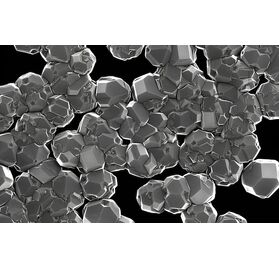
Detonation Synthesis of Diamonds (DSD) is a method of producing diamonds through the controlled explosion of carbon-containing materials. Unlike High Pressure High Temperature (HPHT) synthesis or Chemical Vapor Deposition (CVD), the detonation process occurs in a fraction of a second. As a result, no large single crystals are formed, but rather polycrystalline diamond nanoparticles.
Diamond powder generated by explosive detonation (left), image of nanodiamonds via electron microscopy (right)
Fundamentals of the DSD Method
The detonation synthesis of diamonds was first carried out in Russia in 1963 at VNIIEF by academician E. I. Zababakhin. However, much like the CVD method in the Soviet Union, it was initially deemed unviable due to the success of HPHT synthesis and remained classified for decades. Despite this, research continued in laboratory settings [1].
Experimental setup at the Institute of Chemical Energy Technologies, SB RAS. The outer chamber shell can withstand pressures of several dozen atmospheres
The method involves applying an extremely short shock wave to a reactive mass composed of graphite or another carbon-rich material, or a mixture of such substances with metals. Unlike static synthesis processes, in detonation synthesis the temperature is not preset — it depends on the initial state of the components and the compression pressure generated during the reaction [2].
Diagram of the diamond detonation synthesis process
Methods of Detonation Synthesis
There are three main methods for producing diamond powder through detonation:
1. Synthesis in high-strength containers. This method uses shock waves from explosions to generate pressures of up to 100 GPa and temperatures of up to 3000 K within robust containers (ampoules) filled with graphite and metal. The metal increases pressure, lowers temperature, and rapidly cools the resulting diamonds. Within microseconds, polycrystals of up to several tens of microns (typically 7 to 10 μm) are formed [3]. Due to the specific synthesis conditions, these diamonds demonstrate up to twice the abrasive performance of conventional industrial powders, giving them a higher market value.
2. Detonation of mixtures with carbonaceous materials. In 1973, a method was developed that allows the production of diamonds by detonating mixtures of explosives and carbon-containing materials [4]. To prevent oxidation and thermal degradation of the diamond particles, the detonation takes place in a sealed chamber filled with inert gas. The carbon-to-diamond conversion rate can reach 50%, depending on the detonation parameters. The resulting material is a finely dispersed diamond powder with crystallite sizes ranging from 6 to 10 nm and a specific surface area between 20 and 150 m²/g.
3. Detonation of oxygen-deficient explosives. According to research by G. V. Sakovich and colleagues [5], diamonds can also be formed by detonating condensed explosives with an oxygen deficit, such as TNT, in a cooling medium. These substances release “free carbon” during decomposition, which transforms into diamond. The ultradispersed diamonds (UDD) produced through this method have particle sizes of 2 to 6 nm and specific surface areas of up to 350 m²/g. These properties give them high adsorption capacity and chemical reactivity.
Ultradispersed nanodiamonds under electron microscope (700×)
Applications of Detonation Diamonds
Owing to their unique combination of properties — including exceptional hardness, chemical inertness, high surface area, biocompatibility, and luminescence — nanodiamonds find broad application across a wide range of scientific and technological disciplines:
Medicine and biomedicine: targeted drug delivery, biosensors, tumor imaging, bone tissue regeneration, antibacterial coatings, and cancer therapies.
Electronics: thermal management, components for transistors and other devices, cold cathodes, and batteries.
Composite materials: as additives in polymer, metal, or ceramic matrices.
Cosmetics: exfoliants, optical modifiers, and carriers for active ingredients penetrating deep skin layers.
Other uses: components for lubricants and filters, and as qubits and sensors in quantum technologies.
In summary, detonation-synthesized diamonds represent a versatile and high-performance material with cutting-edge applications across multiple sectors. Thanks to ongoing advancements in synthesis and post-processing technologies, their potential to address complex scientific and industrial challenges continues to expand.
References
1. Danilenko, V. V. (2004). Iz istorii otkrytiya sinteza nanoalmazov [On the History of Nanodiamond Synthesis Discovery]. Fizika tverdogo tela — Physics of the solid state, vol. 46, no. 4, pp. 581 – 584.
2. De Carli, P. S., & Jamieson, J. C. (1961). Formation of diamond by explosive shock. Nauka — Science, vol. 133, no. 3467, pp. 1821 – 1822.
3. Staver, A. M., Gubareva, N. V., Lyamkin, A. I., & Petrov, E. A. (1984). Ul'tradispersnye almaznye poroshki, poluchennye s ispol'zovaniem energii vzryva [Ultradispersed Diamond Powders Produced Using Explosive Energy]. Fizika goreniya i vzryva — Combustion, Explosion, and Shock Waves, vol. 20, no. 5, pp. 100 – 104.
4. Adadurov, G. A. (1990). Fiziko-khimicheskie prevrashcheniya veshchestv v udarnykh volnakh s uchastiem gazov [Physicochemical Transformations of Substances in Shock Waves with Gas Participation]. Zhurnal VKhO im. D. I. Mendeleeva — Mendeleev Chemistry Journal, vol. 35, no. 5, pp. 595 – 599.
5. Sakovich, G. V., & Gubarevich, V. D. (1990). Poluchenie almaznykh klasterov vzryvom i ikh prakticheskoe primenenie [Synthesis of Diamond Clusters by Detonation and Their Practical Application]. Zhurnal VKhO im. D. I. Mendeleeva — Mendeleev Chemistry Journal, vol. 30, no. 2, pp. 402 – 404.
Read
07.04.2025
Diamond: Shapes and Facets of the Cut
Natural and lab-grown diamonds are not used in jewelry in the same form in which they are mined or produced. They acquire their value as gemstones only once they are skillfully cut and polished to become true diamonds.
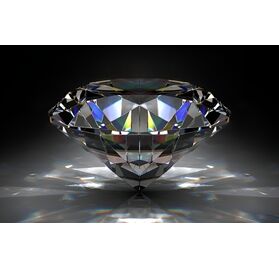
A rough diamond (left) and a polished diamond (right)
A diamond is a gemstone that has been cut into a precise shape to maximize its ability to reflect and refract light. The word “diamond” comes from the French brillant, meaning “sparkling”. It is cutting that transformed the diamond into the most coveted gemstone in the world of fine jewelry.
Although diamonds have been known as valuable gems since ancient times, they were not cut, as people believed that cutting would diminish their mystical powers. Only in the 4th century AD did Indian craftsmen begin shaping natural diamonds along their existing facets.
The concept of brilliant cutting emerged in Europe at the end of the 17th century, alongside the growing understanding of diamond optics and advancements in cutting techniques. Since then, the round brilliant cut — with its 58 facets — has become the most popular. However, the 58th facet, known as the culet, is optional, which is why modern brilliant-cut diamonds often have 57 facets.
Faceting Elements of a Round Brilliant Diamond
Diamond is the hardest known mineral on the Mohs scale due to its cubic crystal lattice composed of carbon atoms. The word “diamond” derives from a term meaning “the hardest”. This unique property makes it impossible to create two absolutely identical diamonds, although they all follow the same basic structural pattern [1].
Key faceting elements
Girdle — the narrow band forming the perimeter of the diamond at its widest point, separating the crown (upper part) from the pavilion (lower part).
Pavilion — the lower portion of the diamond, located below the girdle and consisting of 24 facets.
Pavilion main facets — eight principal kite-shaped facets on the pavilion that converge toward the culet.
Crown — the upper portion of the diamond above the girdle, consisting of 33 facets.
Table — the large, flat, octagonal facet at the top of the crown; the largest facet on the diamond.
Star facets — eight triangular facets that extend outward from the table toward the bezel facets.
Bezel facets — eight main crown facets located between the star facets and the girdle.
The ideal proportions of the brilliant cut were established by Marcel Tolkowsky in 1919 in his landmark work Diamond Design, where he described the behavior of light within a faceted diamond [2]. According to his calculations, maximum brilliance and fire are achieved when the table diameter is 53 % of the girdle diameter, the crown angle is 34°30′, and the pavilion angle is 40°45′. These proportions have since been confirmed in practice through the assessment of high-quality diamonds.
Ideal brilliant cut proportions according to Tolkowsky
Fancy Diamond Cuts
Although Tolkowsky’s proportions are still considered the benchmark for ideal diamond cutting, master cutters have always sought to preserve as much of the original rough as possible and to reveal the stone’s natural beauty in new and innovative ways. Over time, this led to the emergence of alternative shapes, now known in the jewelry industry as fancy cuts [3].
Primary diamond cut styles
Fancy cuts are generally classified into three main categories:
Brilliant-style cuts, which resemble the round brilliant in appearance: Oval Marquise Pear Heart Cushion Step cuts, defined by their parallel, tiered facets: Baguette Emerald Asscher Mixed cuts, which combine the sparkle of brilliant facets with the geometry of step cuts: Princess Radiant Octagon
Market Distribution by Cut (1-Carat Stones, Mumbai Diamond Exchange):
Round Brilliant — 56.6 % Cushion — 8.7 % Oval — 7.3 % Pear — 7.0 % Emerald — 5.7 % Princess — 5.3 % Radiant — 4.5 % Heart — 2.5 % Marquise — 2.4 %
The dominance of the round brilliant cut is due to its superior light performance, ease of setting in jewelry, and durability — with no sharp corners or edges that are prone to chipping.
Thanks to modern cutting technologies, diamonds today come in a wide array of shapes and scintillation styles. Expert jewelers skillfully design settings that enhance each stone’s individuality. As a result, every cut is more than a visual choice — it becomes an expression of personal taste, character, and style. A diamond of any shape can be a collector’s treasure or a timeless gift of deep meaning.
References
1. Kuznetsov, A. S. (2003). Parametry ogranki almazov i ikh vliyanie na stoimost' brilliantov [Diamond Cut Parameters and Their Impact on Gemstone Value]. Gornyy informatsionno-analiticheskiy byulleten — Mining Informational and Analytical Bulletin, no. 6.
2. Tolkowsky, M. (1919). Diamond Design: A Study of the Reflection and Refraction of Light in a Diamond. London, New York: Spon, Spon & Chamberlain. 104 р.
3. Shelementiev, Yu. B., et al. (Eds.). (2005). Brillianty: diagnostika, ekspertiza, otsenka: uchebno-spravochnoe posobie [Diamonds: Diagnostics, expertise, and valuation: A reference and study guide] (2nd ed., rev. and exp.). Moscow: MAKS Press. 209 p.
Read
07.04.2025
HPHT Method of Diamond Synthesis
HPHT diamonds are named after the conditions under which they are synthesized: High Pressure, High Temperature. These parameters were gradually refined over decades based on the natural conditions under which diamonds form in the Earth's mantle. The synthesis conditions were first outlined in 1939 by the Soviet chemist O. I. Leipunsky: pressure of 6 – 7 GPa and temperature of 1500 – 1700 °C [1].
Types of HPHT Presses
There are four primary types of presses used for HPHT diamond synthesis:
Cubic press Belt press Toroid press BARS (split-sphere press) Each differs in design and is suited to growing crystals of specific sizes and qualities.
Cubic press (left), BARS apparatus (right)
Synthesis Process
The process begins with the selection of a growth cell, into which the following components are placed:
One or more diamond seed crystals, which serve as nucleation centers for carbon atoms to form single crystals; A metal solvent catalyst — a proprietary alloy such as Ni-Fe-C or Co-Fe-C — which dissolves graphite, accelerates diamond growth, and helps reduce inclusions; Carbon source in the form of diamond powder or graphite.
In Europe, memorial diamonds are often created using HPHT technology, where the carbon source is derived from human ashes, a lock of hair, a bridal bouquet, or other sentimental materials.
Types of growth cells: cubic press (left), BARS system (right)
Growth Conditions
The assembled growth cell is placed into the press, where a pressure of 50,000 – 60,000 atmospheres is applied, and electric resistors heat the system to 1300 – 1600 °C. These conditions simulate the natural environment in which diamonds form within the Earth’s mantle.
Structure of a diamond growth cell
Once the target temperature and pressure are reached, carbon (usually in the form of graphite) dissolves in the molten metal solvent in the hot zone. The dissolved carbon then migrates toward the cooler zone, where a small diamond seed crystal is located. The diamond gradually grows on this seed. By the fourth day, the rough crystal can reach a size of 2 carats [2].
Temperature is constantly regulated so that the carbon source zone remains approximately 30 °C hotter than the seed zone. Increasing this temperature difference accelerates crystal growth but often results in lower quality. On average, the HPHT diamond synthesis process lasts between 5 and 10 days.
Effect of Additives
Various additives introduced into the metal solvent significantly influence the color and quality of the resulting diamond crystals:
Aluminum and titanium can capture nitrogen, which is responsible for yellow coloration. This allows for the production of colorless diamonds;
Boron enables the formation of blue or colorless diamonds with electrical conductivity — valuable in both the jewelry and electronics industries. These decolorized diamonds may display a bluish tint when viewed through the pavilion after faceting.
The concentration of these additives is carefully calibrated to achieve the desired hue and optical clarity. This precision allows the creation of diamonds with engineered physical and aesthetic properties.
Colored HPHT diamonds
Post-Synthesis Processing
At the end of the synthesis process, the solidified mass containing the diamond crystals is treated with a mixture of boiling acids (typically 90 % sulfuric acid and 10 % nitric acid). Diamonds are chemically resistant to both acids and alkalis, so the treatment dissolves the solidified metal solvent, leaving behind clean raw crystals. The extracted diamonds are then rinsed with water and sent for further processing.
HPHT synthesis yields two main types of diamond material:
Bort — polycrystalline diamond powder for industrial applications;
Monocrystals — single crystals used in jewelry and high-precision industrial tools.
Monocrystals typically exhibit a cubo-octahedral shape, and their size is determined by preset synthesis parameters, including the dimensions of the growth cell and the growth conditions [3].
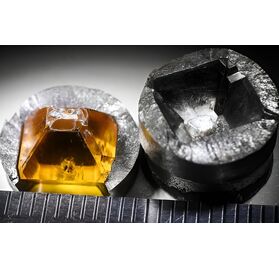
The largest diamond produced by the HPHT method as of 2020 was grown by the Russian company New Diamond Technology LLC, based in St. Petersburg. The crystal weighed 129.47 carats
After cleaning, the rough diamonds undergo cutting and faceting. A master gem cutter examines each crystal to identify the cleanest, inclusion-free areas and determines the best shape to bring out its potential. In some cases, the diamond is cut in the natural form it developed during synthesis. These are known as As-grown diamonds.
The HPHT method not only replicates natural diamond formation but also enables the creation of crystals with engineered characteristics — from color to electrical conductivity. Modern technologies continue to advance, making diamonds that are perfect in shape, clarity, and color increasingly available — not only for jewelry, but also for use in medicine, quantum technologies, and industry.
References
1. Leipunskii O. I. (1939). Ob iskusstvennykh almazakh [On Synthetic Diamonds]. Uspekhi khimii — Russian Chemical Reviews, vol. 8, iss. 10, pp. 1519 – 1534.
2. Palyanov, Yu. N. (2008). Gde rastut almazy [Where Diamonds Grow]. Nauka iz pervykh ruk — Science First Hand, no. 1 (19), pp. 12 – 31.
3. Smith, G. (2006). Dragotsennye kamni [Gemstones] (A. S. Arsanov et al., trans. ; 3rd ed., exp.). Moscow: AST, Astrel. 511 p.
Read

Reviews
No items defined
Welcome your feedback!
Write a review about the product and our service. It will help for another customer to make a choice.
