

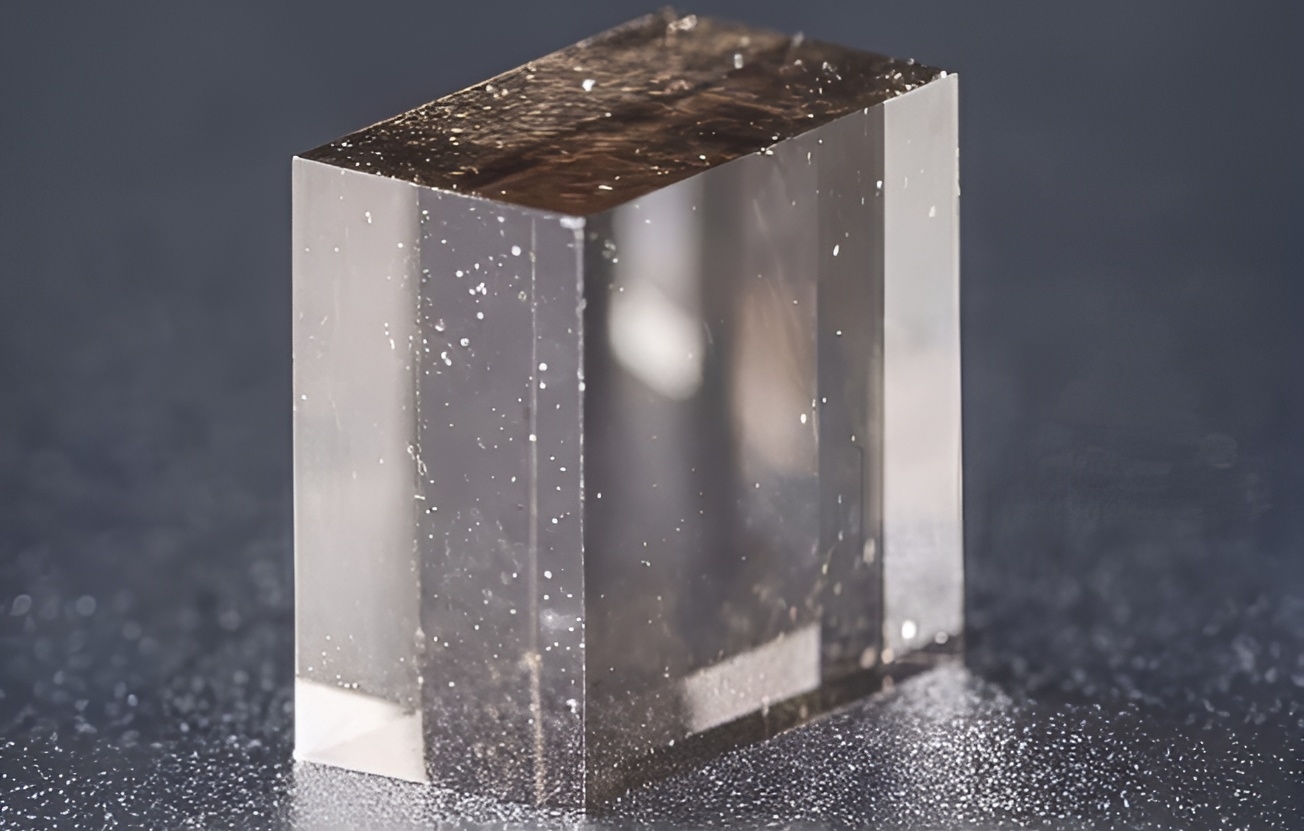
CVD Method of Diamond Synthesis
CVD (Chemical Vapor Deposition) is a method of growing diamonds under low-pressure conditions using a carbon-containing gas, most commonly methane. Unlike the HPHT (High Pressure, High Temperature) method, where carbon crystallizes under extreme pressure and temperature, in the CVD process carbon atoms are deposited layer by layer onto a substrate, forming a diamond lattice.
CVD Synthesis Equipment
The apparatus used for CVD synthesis is a microwave plasma reactor. Unlike in HPHT, crystal growth in this method does not occur in a metallic melt but on carefully selected substrates that serve both as seed material and growth surfaces.
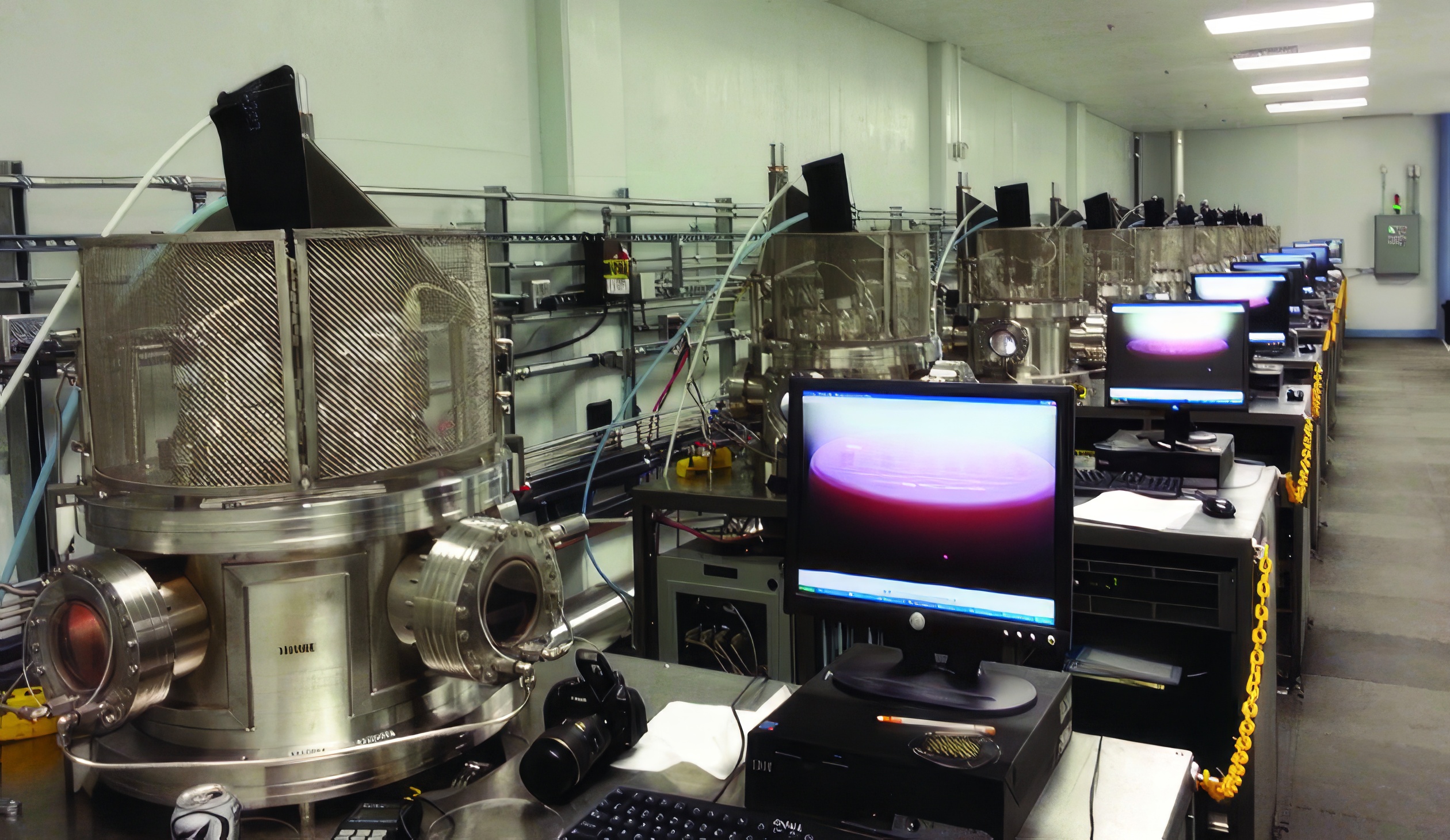
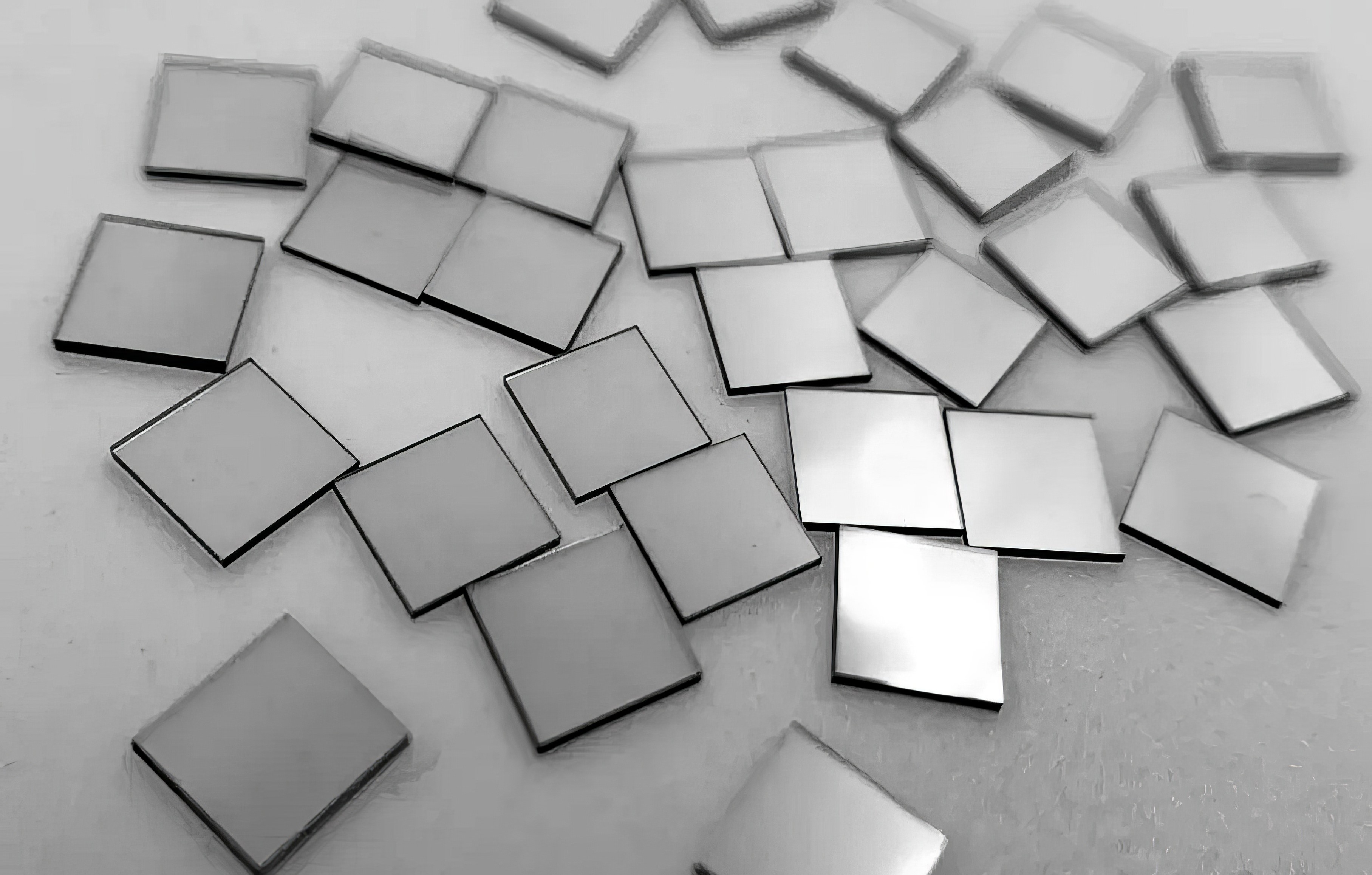
In the past, thin slices of natural diamonds were used as substrates. Today, high-purity CVD diamond plates — free from chips and internal stress — are standard. Substrates of 10×10 mm are used to grow 5-carat diamonds, while larger stones require plates of 20×20 mm or more.
CVD Synthesis Process
The fundamental principles of diamond synthesis under these conditions were first described in the 1950s [1], but achieving commercially viable growth rates became possible only in the early 2000s. The process proceeds as follows.
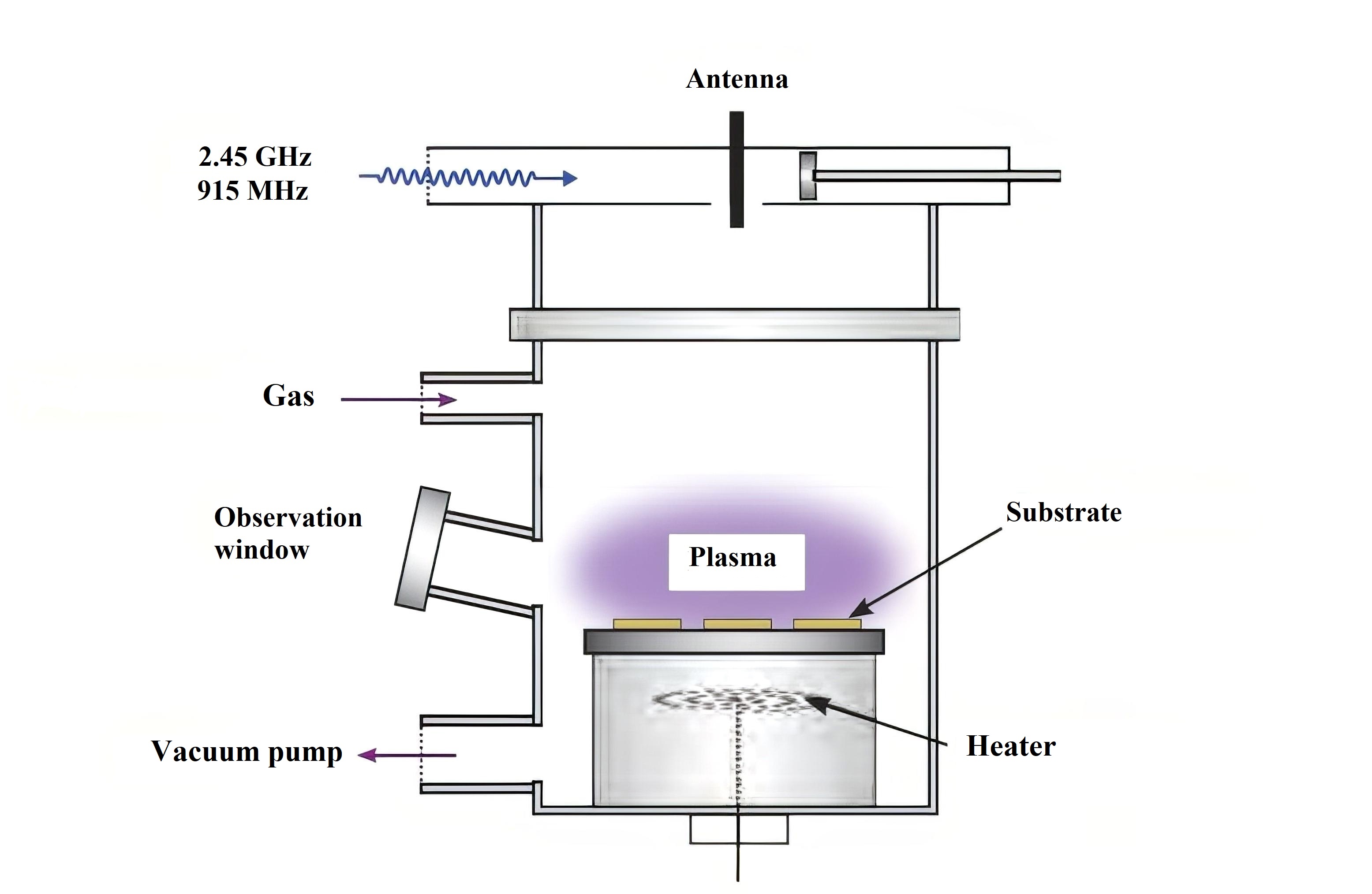
Substrates are placed on a holder inside the growth chamber. Prior to starting the process, the chamber is vacuum-pumped to remove residual gases and dust particles — since even a tiny speck of dust can cause defects in the crystal structure.
Microwave radiation is generated inside the chamber using a magnetron operating at either 915 MHz or 2.45 GHz, depending on the reactor design and desired growth parameters.
- At 915 MHz, diamond growth is carried out in batches using large industrial systems. Up to 100 crystals can be grown simultaneously. This method is typically used for producing rough material for small stones (1 – 2 carats).
- At 2.45 GHz, both single and multiple crystals can be synthesized. Compact, lab-scale reactors are used, with individual monitoring of each crystal. The plasma cloud can extend up to 100 – 120 mm, enabling the growth of large single crystals or small batches. However, the growth area is limited by the diameter of the plasma. It takes approximately two weeks to grow rough suitable for a one-carat diamond.
A gas mixture composed of methane, hydrogen, oxygen, and occasionally boron or nitrogen is introduced into the chamber. Under microwave irradiation, these gases form a plasma cloud. At a power level of 6 kW and pressure of 200 – 250 Torr, the plasma expands to match the substrate size.
Once the desired plasma volume is reached, the magnetron power is reduced to 4 kW, and the pressure is increased to 300 – 350 Torr. These conditions ensure an optimal crystal growth rate of 20 – 25 microns per hour. Lower pressure slows down growth, while higher pressure increases the rate but compromises quality. At atmospheric pressure, the plasma becomes narrower and growth rates can reach 50 microns/hour, though crystals tend to grow vertically rather than laterally.
Gas Composition
- Methane provides carbon ions for diamond formation. Higher concentrations increase growth rate but lower quality.
- Hydrogen prevents graphite formation and promotes the generation of reactive carbon ions. It is the dominant gas in the mixture [2].
- Oxygen enhances growth rate but is used in small amounts (typically less than 1 %).
- Nitrogen is added to produce yellow diamonds. Its concentration should not exceed that of methane.
- Boron is used to grow blue and electrically conductive diamonds, although these are more often produced via electron-beam irradiation due to safety concerns [3].
The plasma temperature reaches 3000 – 4000 °C, while substrate temperature is maintained between 900 – 1200 °C. A larger temperature gradient increases growth rate but reduces quality.
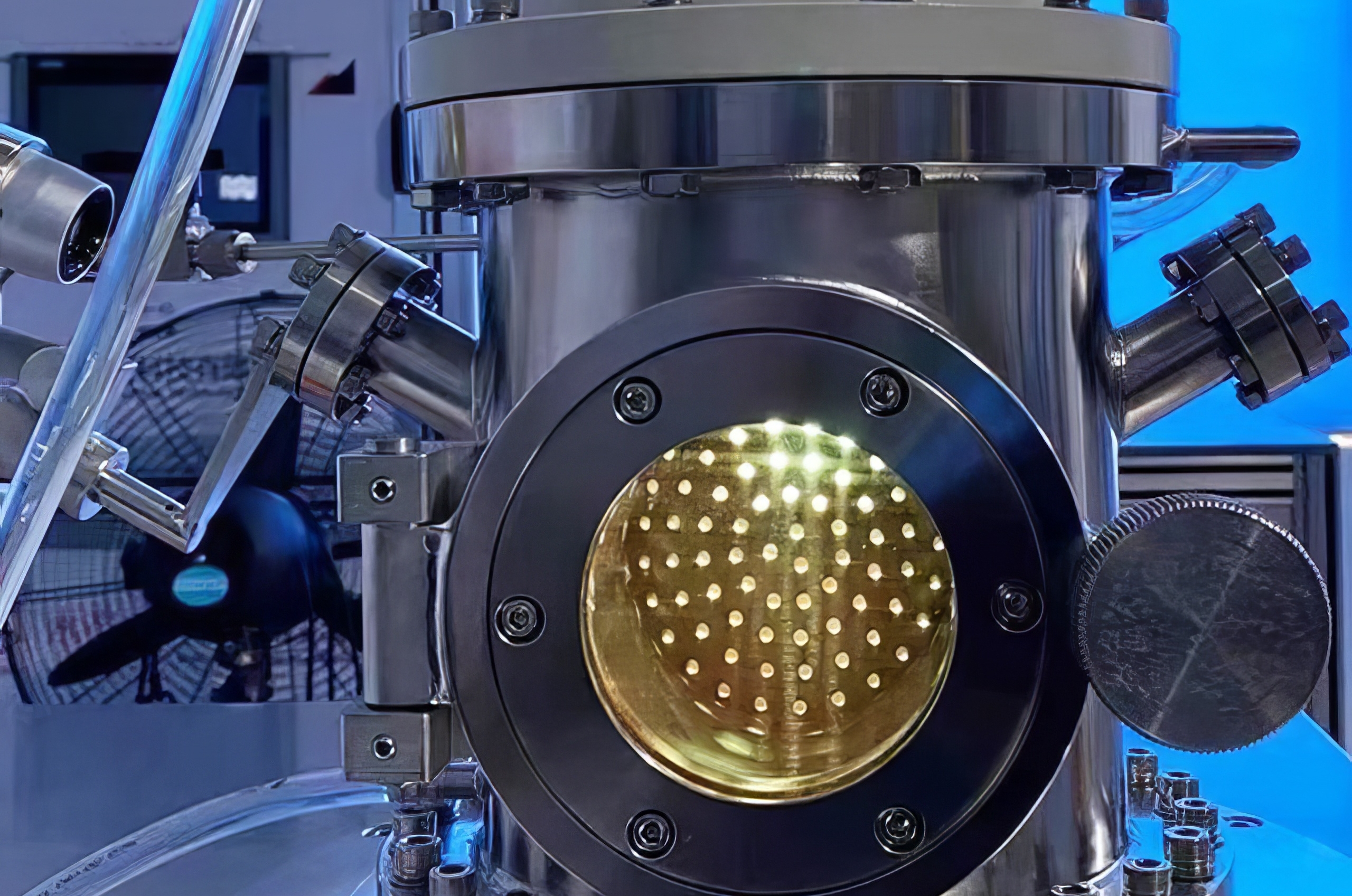
Through the reactor’s observation window, one can see the color of the plasma change — from white to deep pink. A pink hue indicates that carbon has exited the active plasma zone.
CVD Diamond Growth Process
Each growth cycle yields a crystal approximately 5 mm thick. Afterward, the diamond is removed and cleaned of the polycrystalline layer formed during growth, and the chamber is cleared of any residual buildup. Over time, accumulated polycrystalline material can disrupt the plasma field and degrade crystal quality. The cleaned diamond is then reloaded for the next cycle. Producing large stones typically requires 2 – 3 growth cycles.
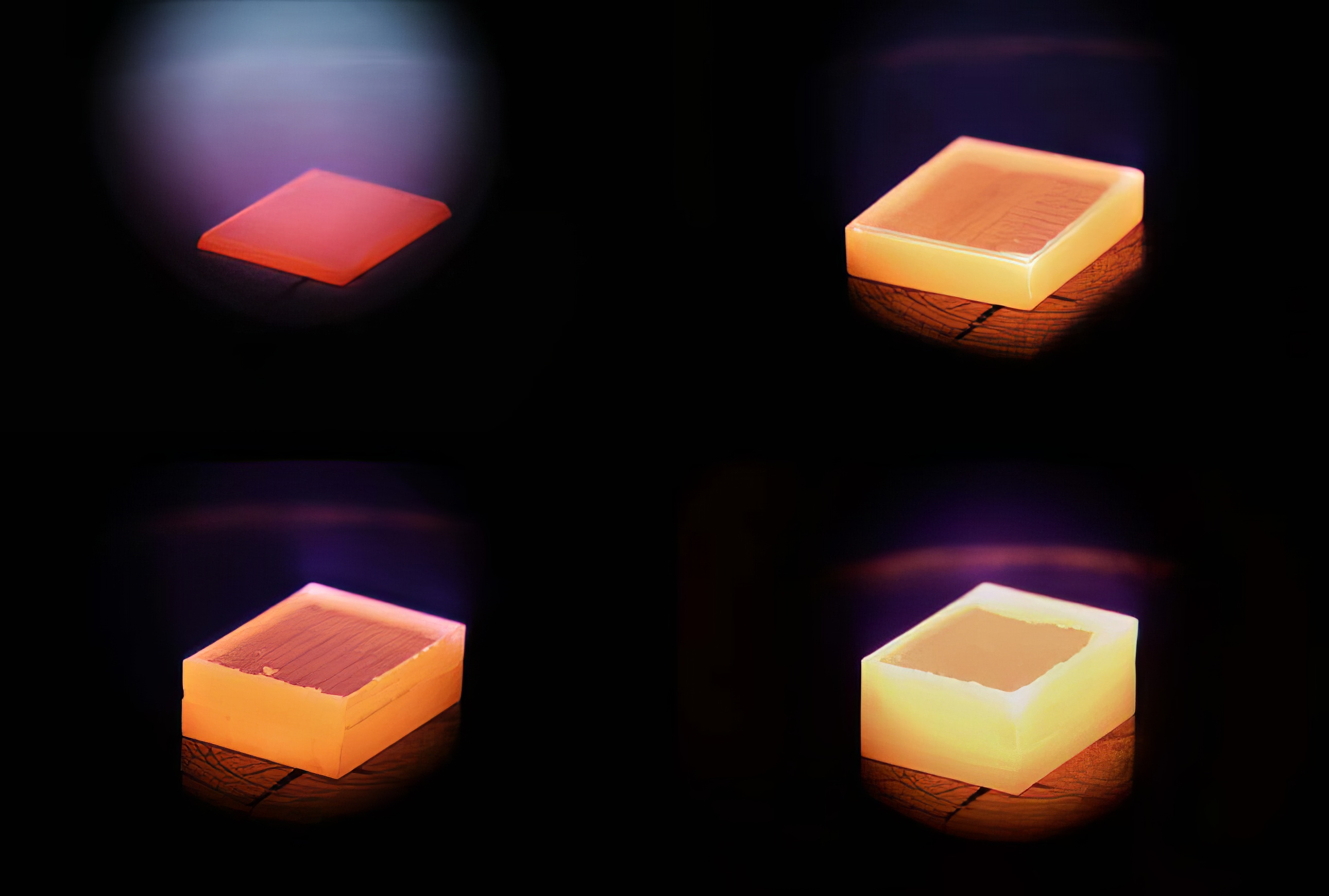
The resulting crystals are square in shape. After laser cleaning, they are checked for internal stress and marked for cutting based on the cleanest regions.

Diamond quality depends on multiple process parameters, including the position of the substrate relative to the plasma. Since carbon ion concentration is highest at the center of the plasma, crystals grown at the edges tend to be lower in both color and clarity. These account for 15 – 20 % of total output and may be discarded, sold as lower-grade material, or treated to improve appearance.
CVD Diamond Enhancement
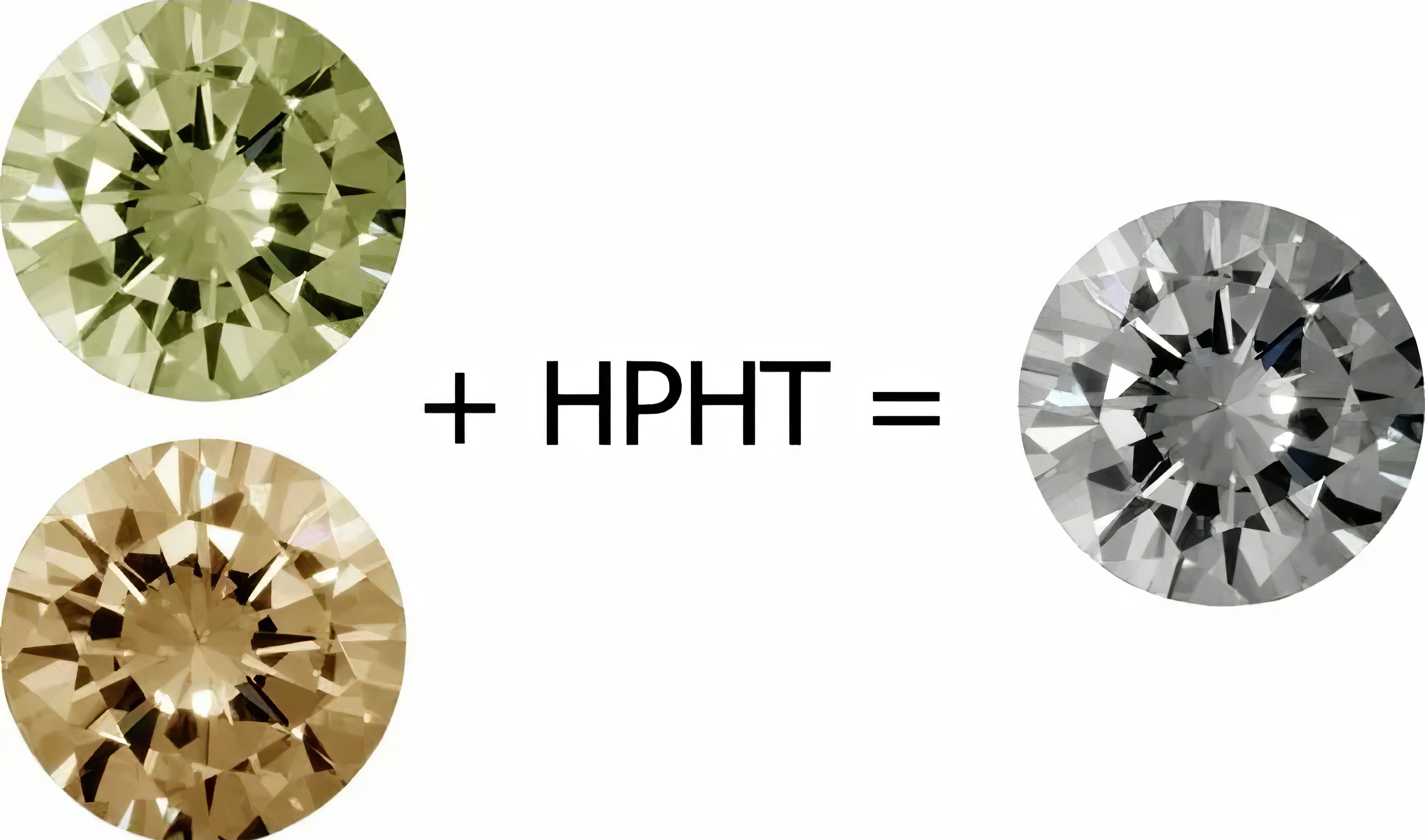
TTo enhance color, HPHT annealing is used: the diamond is heated to 1000 °C under 1000 atmospheres of pressure. This post-treatment, known as enhancement, is applied to both synthetic and natural diamonds and can significantly improve their appearance and market value [4].
In summary, CVD is a technologically advanced and environmentally sustainable method of diamond synthesis that offers precise control over growth conditions. Its flexibility and scalability have made it one of the most important technologies for producing both gem-quality and industrial diamonds.
References
No items defined
