

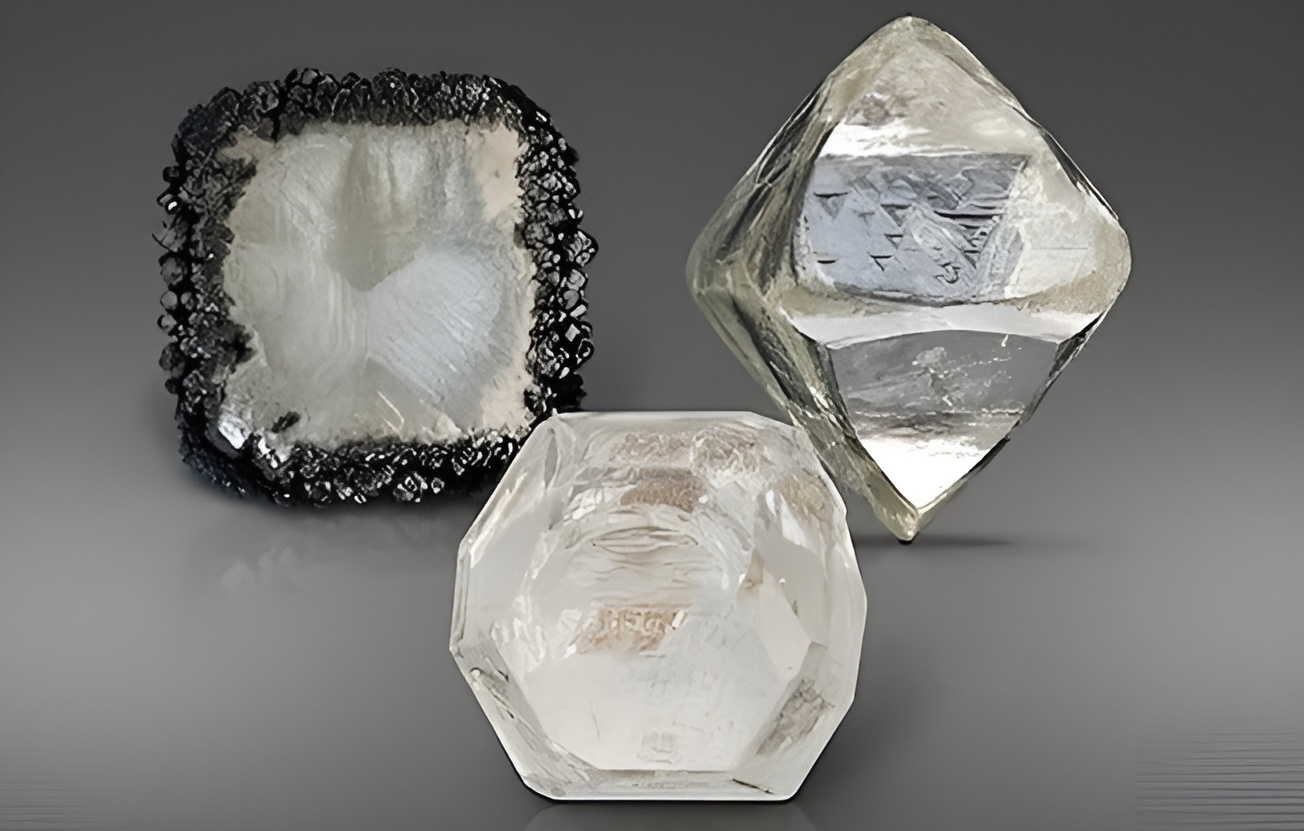
History of Diamond Synthesis
For the modern chemist, the synthesis of diamond is as alluring a pursuit as the philosopher’s stone was to the alchemist.
Confirmation of Diamond’s Carbon Nature (17th – 19th centuries)
The first documented experiments on diamonds date back to 1694, when Florentine scientists Gianni Averani and Carlo Targioni, disciples of the great Galileo, used a focusing lens to show that diamond combusts when heated sufficiently.
In 1704, Isaac Newton, in his work “Opticks”, described the refractive properties of various substances, including diamond. It was specifically based on its refractive index that Newton concluded the mineral was of carbon origin.

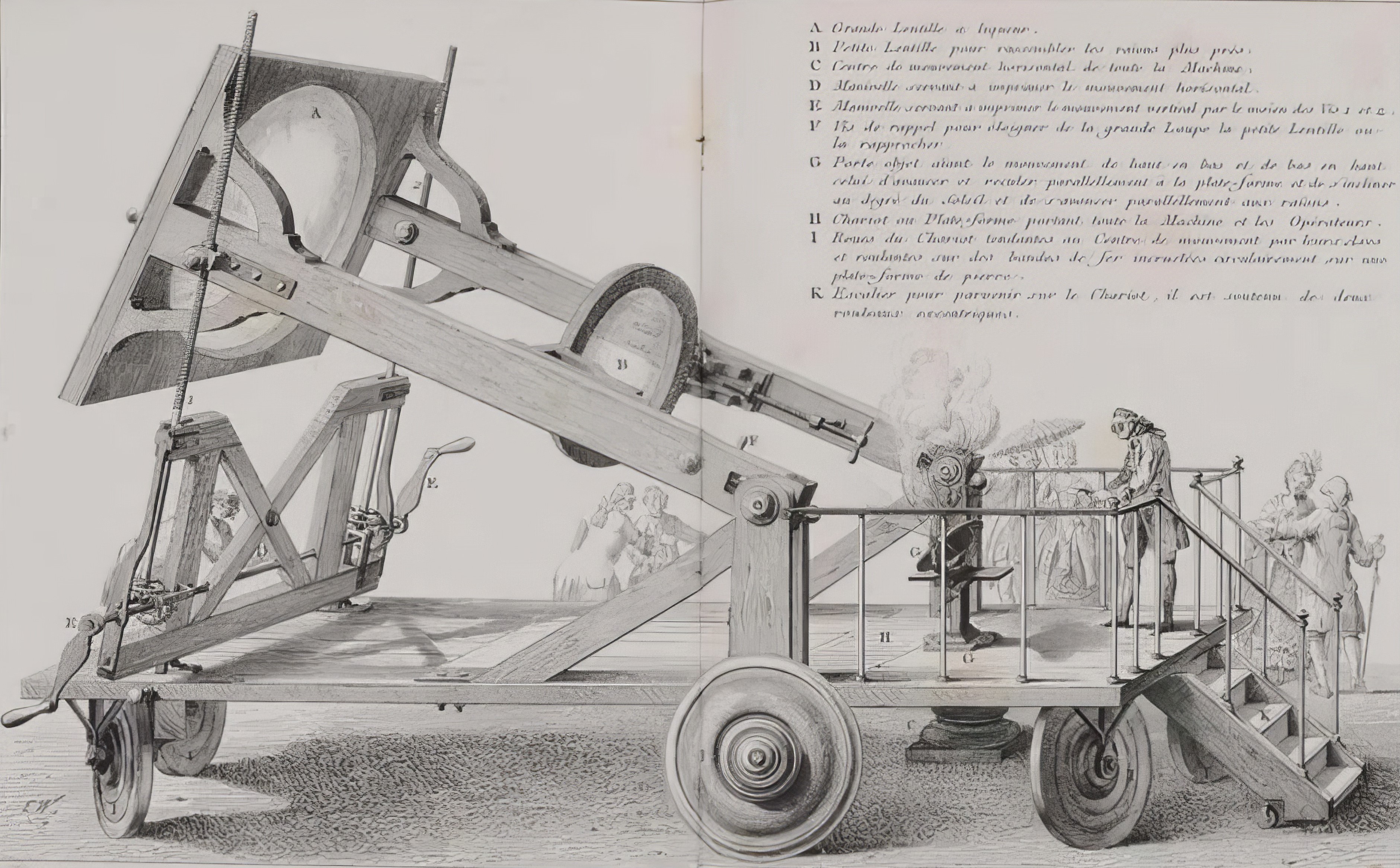
In the spring of 1772, Antoine Lavoisier used a giant magnifying glass, 84 centimeters in diameter, to burn a diamond inside a sealed glass container. In later experiments, he discovered that both diamond and charcoal, when burned, produced the same gas: carbon dioxide. This finding convinced him that diamond and charcoal were composed of the same element, which he named “carbon”.
A few decades later, in 1796, the English chemist Smithson Tennant repeated Lavoisier’s experiment on the combustion of diamond. In his version of the experiment, he used a gold vessel and directed the gas produced during combustion into a solution of limewater. From the fact that chalk (calcium carbonate) precipitated as a result of the experiment and from the amount of it, Tennant was able to determine both the type and volume of the gas produced [1].
In the course of his experiments, Tennant demonstrated that burning diamond produces exactly the same amount of carbon dioxide as burning an equal mass of charcoal.
In the early 19th century, Lavoisier’s experiment was repeated once again by the English chemist Humphry Davy and his assistant, a young physicist named Michael Faraday. Davy was reluctant to accept that diamond and coal shared the same nature — one being a beautiful, precious gemstone, and the other a black, grimy substance: graphite.
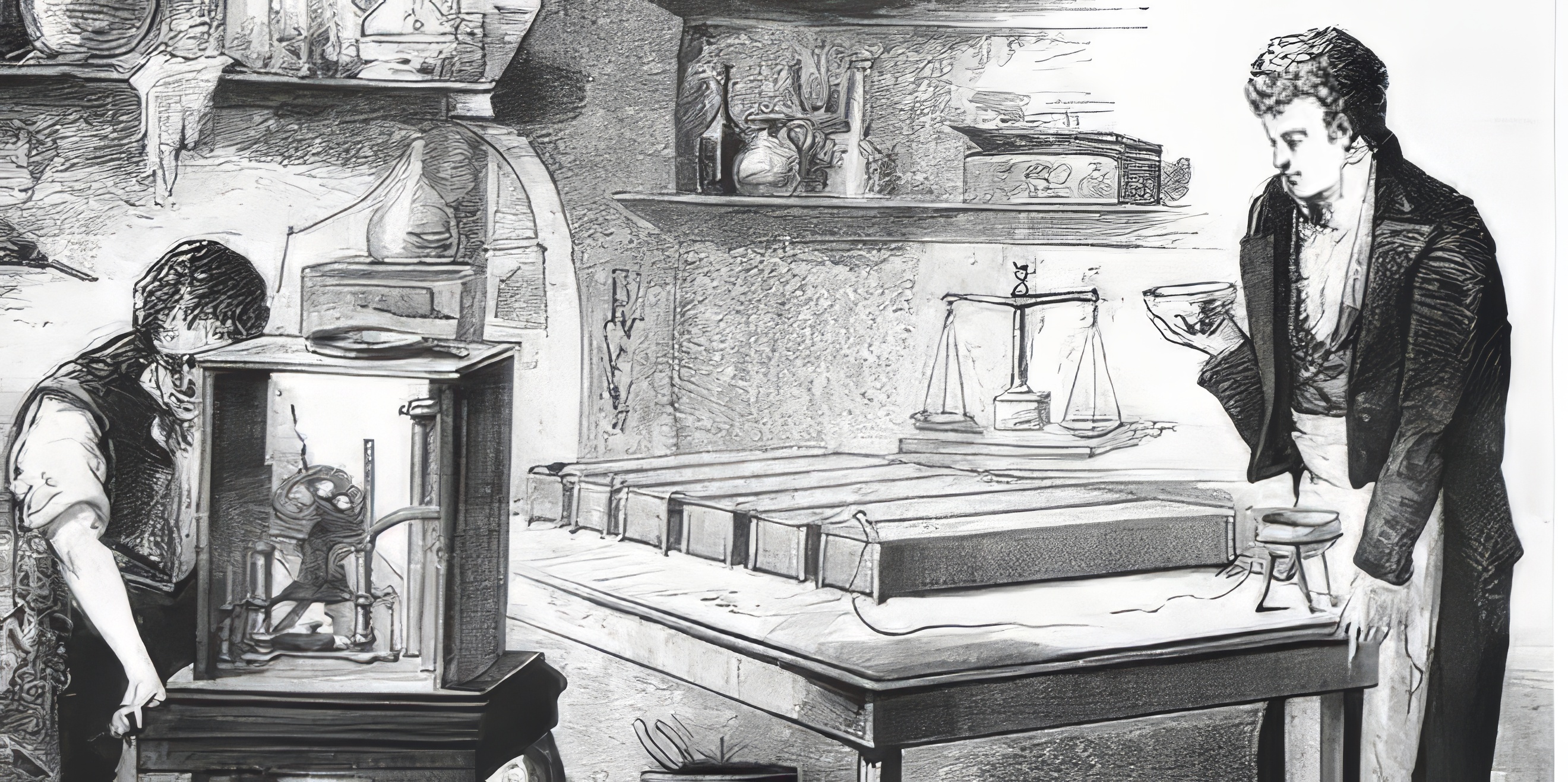
In 1814, Davy and Faraday burned a diamond inside a flask filled with oxygen. As a result, only carbon dioxide was produced, once again confirming the carbon composition of diamond.
There could hardly be any doubt that it consisted of the same elements as charcoal. Thus, chemists no longer needed to waste time determining the chemical makeup of diamond (it was carbon, and nothing else), and could instead focus on how to “condense” carbon to such a degree that its refractive index matched the one Newton had measured.
The First Attempts at Diamond Synthesis (19th Century)
Experimental scientists had successfully learned to burn diamonds, but producing a radiant crystal from charcoal proved much more difficult.
The first known attempt to produce diamond came nine years after the experiments of Davy and Faraday, in 1823, by the Russian scientist Vasily Karazin. He took a tar-like residue from the dry distillation of wood and heated it until it reached white heat. The solid mineral obtained from the experiment he named “pyrogon”, meaning “born of fire”. Unfortunately, no evidence has survived linking the crystals of pyrogon to diamond.
Six years later, in 1829, another attempt to create diamond was made by the French scientists Caignard de la Tour and Jean-Nicolas Gannal. Although the results of their experiments were presented to the French Academy at the same time, the two worked independently.
Caignard de la Tour submitted ten tubes containing brown crystals, which he claimed were harder than quartz. However, testing revealed that they could be easily scratched by diamond and showed no reaction to high heat. It was concluded that they were likely silicates. De la Tour did not disclose his method of production [2].
Gannal, on the other hand, prudently submitted his stones for evaluation by the renowned Parisian diamond cutter Champigny, who confirmed that they were indeed diamonds. However, the scientific community did not accept the jeweler’s conclusion. Moreover, neither Gannal nor any other researchers were able to reproduce his process, which had involved a chemical reaction between carbon disulfide, water, and phosphorus.
Today, when physics and chemistry have made such significant strides, it may be of interest to many to ask: why have diamonds still not been created artificially, and how far has science actually progressed in this regard?
The Beginning of High-Pressure Experiments
In the 19th century, scientists approached diamond synthesis largely through intuition. They relied on the known conditions under which diamond transforms into graphite and attempted to reverse the process, focusing primarily on high temperatures. It was only fifty years later that experiments began to take into account a crucial factor in diamond synthesis: pressure. The idea was that temperature gave carbon atoms the mobility needed for transformation, while high pressure helped restructure the substance into a denser, harder form.
In 1878, Scottish chemist James Hannay began conducting diamond synthesis experiments using special steel tubes with 4 cm thick walls. Inside these tubes, he placed bone oil, a mixture of hydrocarbons, and metallic lithium. The tubes were then sealed and heated in special furnaces until red-hot. Out of 80 trials, only three tubes did not explode. From those, Hannay recovered solid, transparent crystals. In 1880, he announced that he had successfully produced diamonds [3].
However, as later revealed through X-ray analysis, the diamonds turned out to be natural. Whether the deception was carried out by Hannay himself or by his assistants remains unknown. Nevertheless, it was the first documented attempt to produce diamond under high pressure and temperature.
Soon after, scientists experimenting with pressure took a safer approach. They began using the property of certain metals — such as iron, silver, bismuth, and gallium — to expand upon solidification, thereby generating high internal pressure within the ingots.
In 1893, Konstantin Khrushchov conducted experiments in which he saturated boiling silver with carbon and then rapidly cooled it. The resulting ingots contained hard crystals that could scratch corundum — the hardest mineral after diamond — and would burn when heated. Based on these characteristics, he concluded that the crystals were indeed diamonds [4].
Equally intriguing experiments were conducted around the same time by the French scientist Henri Moissan [5].
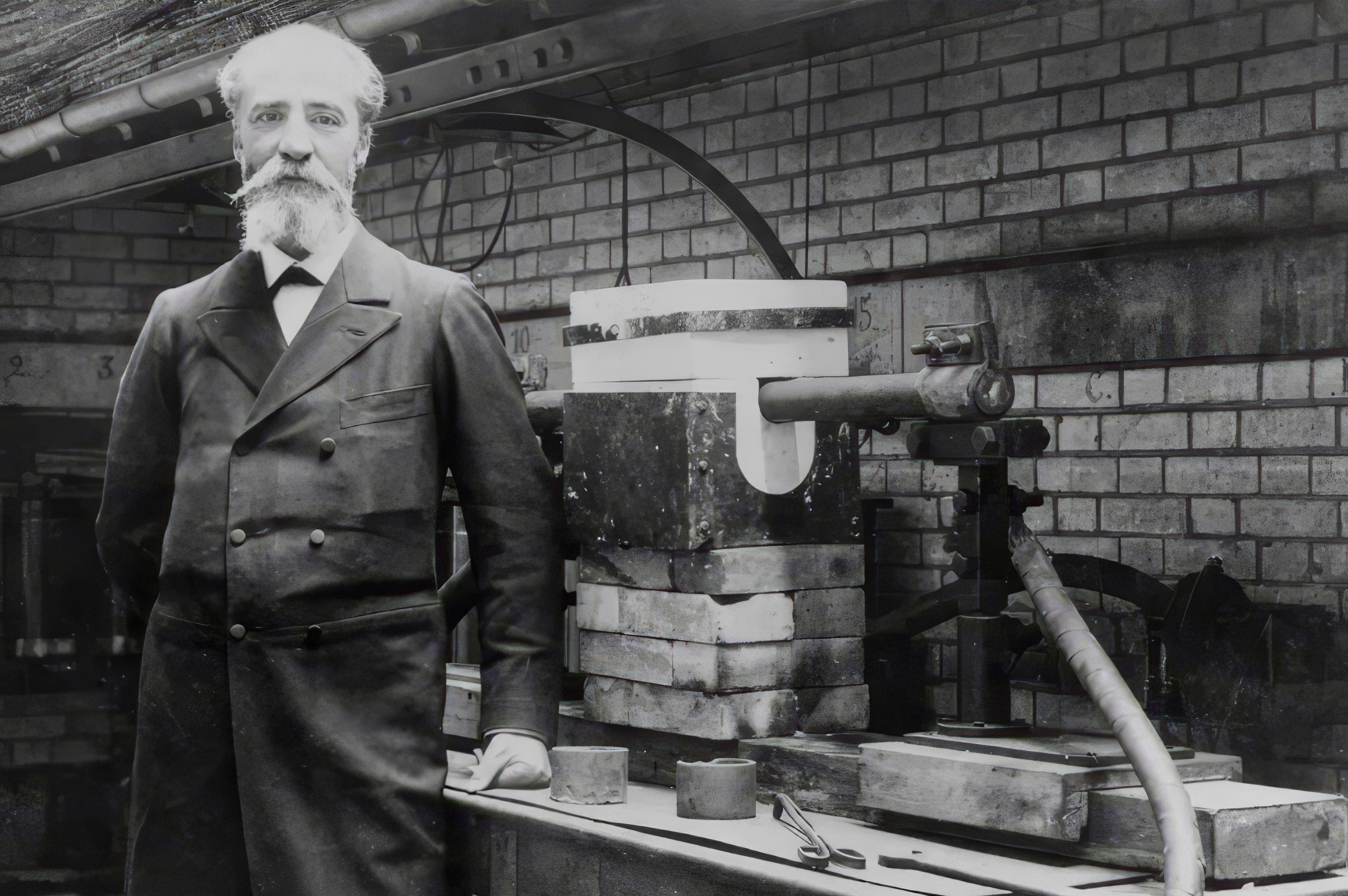
He used iron (cast iron) mixed with powdered carbon, melting it in a graphite crucible — a vessel designed to withstand extreme heat — at temperatures ranging from 2,000 to 3,500 °C in an electric arc furnace. Once calculations indicated that the iron had absorbed sufficient carbon, the molten metal was poured into ice-cold water. This rapid cooling created high pressure within the ingot, resulting in the formation of hard, dark crystals less than 0.7 mm in size. As in Khrushchov’s experiments, these crystals were able to scratch corundum and burned in oxygen.
Several researchers based their synthesis efforts on the assumption that natural diamonds form under extremely high pressure — significantly greater than what is produced by simply cooling molten metals. One of the most notable was British inventor Charles Parsons, known for developing the steam turbine. Starting in 1887 and culminating in a detailed report presented to the Royal Society in 1918, Parsons conducted thousands of diamond synthesis experiments.
One particularly fascinating series of experiments involved the use of a 0.9-inch duck gun, which he fired into a specially constructed solid steel block. The barrel of the gun was preloaded with oxygen and an excess of acetylene. When fired with two drachms of gunpowder, a piston was propelled to within 1/8 inch of the chamber’s end, generating pressures exceeding 15,000 atmospheres.
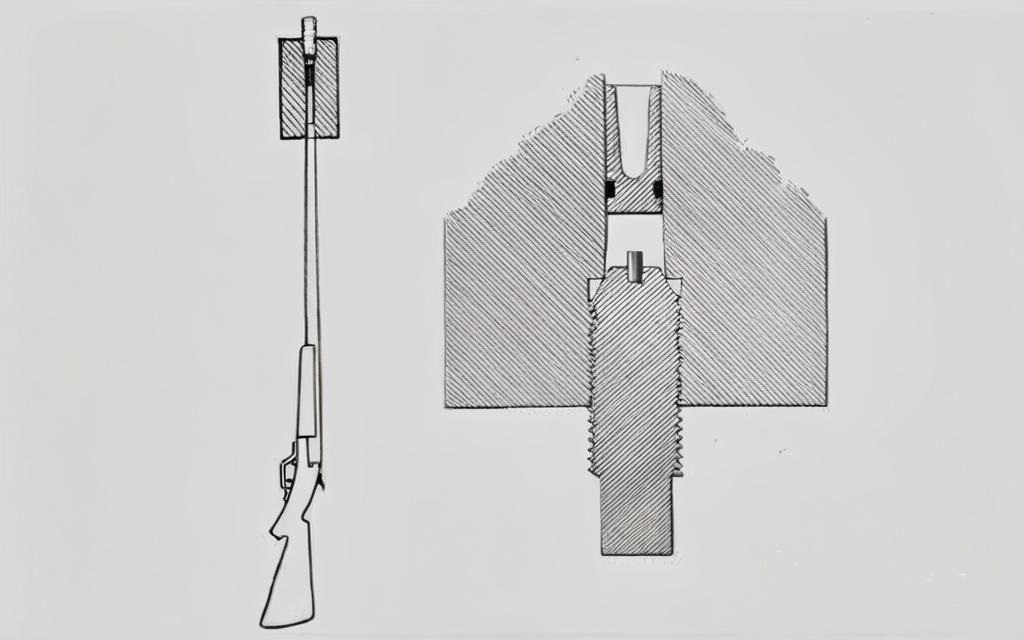
From the molten layer of the end plug, a small crystalline residue was obtained. Among it, a single non-polarizing crystal was isolated — likely a diamond, though too small to be identified with absolute certainty.
Due to the lack of comprehensive knowledge regarding the physical and chemical properties of diamond and graphite, as well as the absence of reliable methods for distinguishing between natural diamonds and diamond-like crystals, skeptics cast doubt on the results of K. Khrushchov, H. Moissan, Ch. Parsons, and other experimenters. They tended to believe that the crystals produced during these synthesis attempts were not true diamonds, but rather carbides — compounds of carbon with metals.
Scientific Basis for the Conditions of Synthesis (20th Century)
In 1915, Lawrence Bragg and his father, William Bragg, were awarded the Nobel Prize “For their services in the analysis of crystal structure by means of X-rays”.
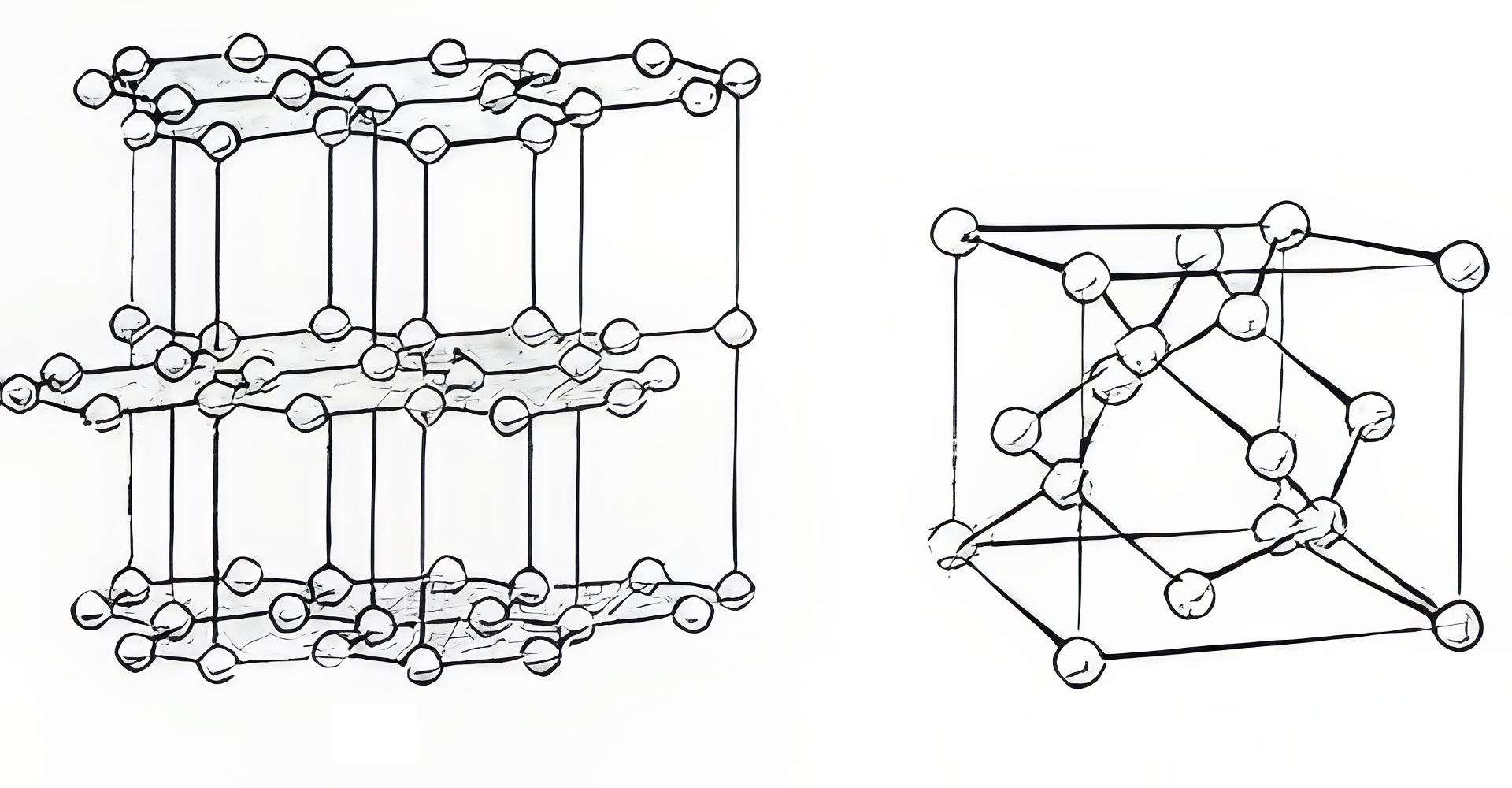
The unit cell of diamond has a cubic lattice structure containing 18 carbon atoms. It is this unique crystal structure that gives diamond its remarkable optical, physical, and chemical properties.
In 1938, American researchers Frederick Rossini and Roy Jessup developed a method for producing pure samples of crystalline graphite, enabling accurate and reproducible experimental data for further theoretical calculations [6].
In 1939, Soviet physicist Ovsey Leipunsky, a specialist in explosives and propellants, relying on the work of Rossini and Jessup, became the first in the world to calculate the complete phase diagram of carbon — a graphical representation of the conditions under which a substance becomes solid, liquid, gaseous, or undergoes structural transformations. On this diagram, he identified all the necessary conditions for synthesizing diamond in laboratory settings: pressure of 6 – 7 GPa, temperature of 1,600 – 1,700 °C, and the presence of a metal solvent (such as iron, nickel, or similar elements) [7].
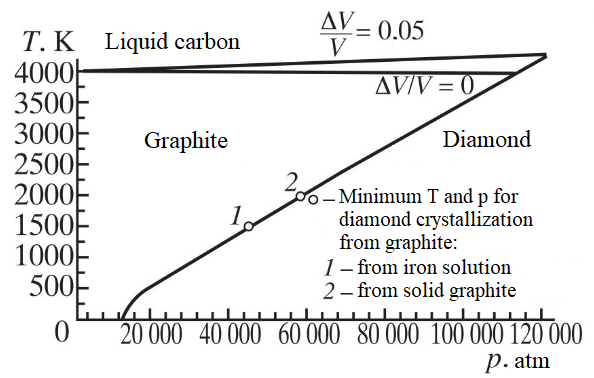
Although all the theoretical foundations for diamond synthesis were already known, solving this complex technical problem in practice required more than a decade of intensive research.
Breakthrough in Ultra-High Pressure Technology
The development of high-pressure apparatuses is closely linked to Percy Bridgman, a Harvard professor and Nobel laureate “For the invention of an apparatus to produce extremely high pressures, and for the discoveries he made in the field of high-pressure physics”. Bridgman viewed the challenge of creating synthetic diamond as a test of his own ingenuity.
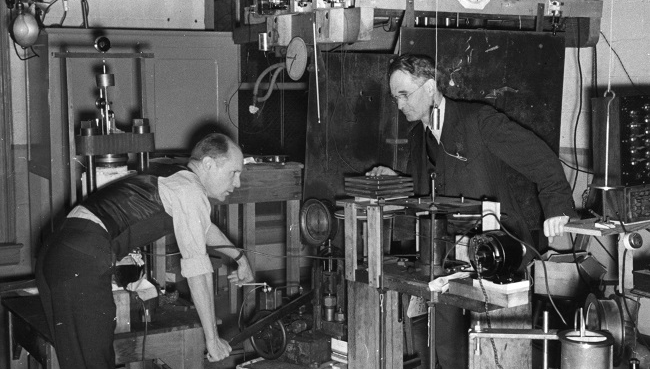
Bridgman and his team designed various high-pressure devices. In most of them, the test material was compressed from four sides using tetrahedral anvils made of an ultra-hard material called Carboloy (tungsten carbide cemented with cobalt) [8]. Using such an apparatus, Bridgman’s group successfully synthesized the mineral garnet, including pyrope — a vivid red variety that is a natural companion of diamonds in kimberlite pipes.
In standard-condition experiments, Bridgman was able to reach pressures of up to 45 GPa. In 1941, one of his devices generated 3 GPa and 3,000 °C for several seconds during the combustion of thermite (a mixture of aluminum and metal oxides). However, diamond synthesis had not yet been achieved at that point.
Attempts to succeed in this fascinating problem have drawn upon the full spectrum of humanity — from brilliant scientists to outright charlatans and crooks, all of them offering it their minds and their passions.
The First Successful Syntheses (1950s – 1960s)
On February 15, 1953, for the first time in history, synthetic diamonds were produced at ASEA (Allmänna Svenska Elektriska Aktiebolaget) — one of Sweden’s leading electricity companies. Building on the theoretical work of Ovsey Leipunsky, engineer Erik Lundblad and his assistants, Anders Eriksson and Gunnar Valin, carried out this technically challenging operation using a cubic high-pressure apparatus.
The process involved placing graphite, iron carbide, and thermite inside a tantalum container, which was then sealed within a pressure block and subjected to extreme conditions. At a temperature of 2,500 °C and a pressure of 8 – 9 GPa, held for two minutes, the team obtained between 20 and 50 diamond crystals measuring 0.1 to 0.5 mm in size.
The Swedish researchers did not initially consider their results significant, as they had hoped to produce gem-quality diamonds, and they lacked sufficient data to reproduce the process. As a result, they did not file for a patent, nor did they publish their findings. Their priority in the discovery was only recognized later through a legal ruling.
At the same time, scientists at General Electric (GE) in the United States were actively developing their own high-pressure apparatus and calculating the technological parameters required for diamond synthesis. The project was conducted in secrecy and was known internally as “Superpressure”.
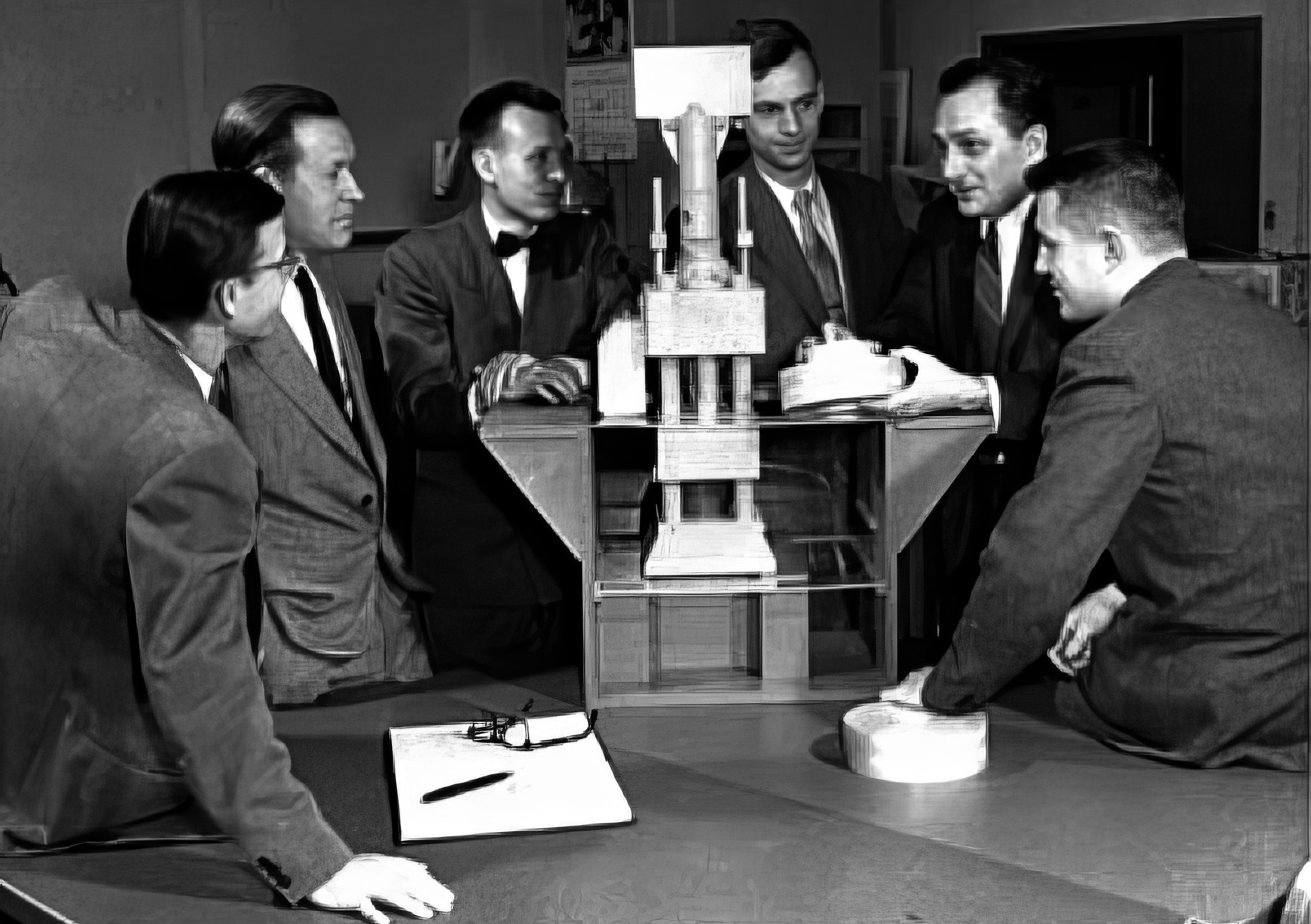
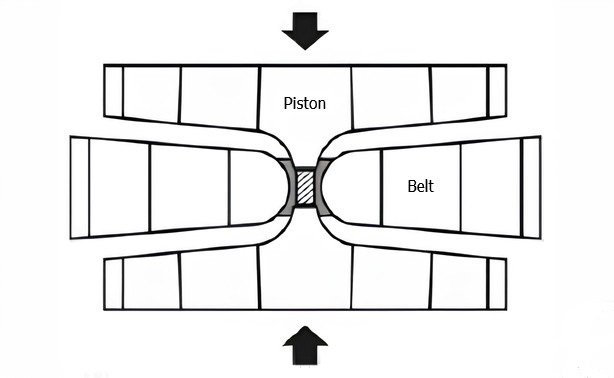
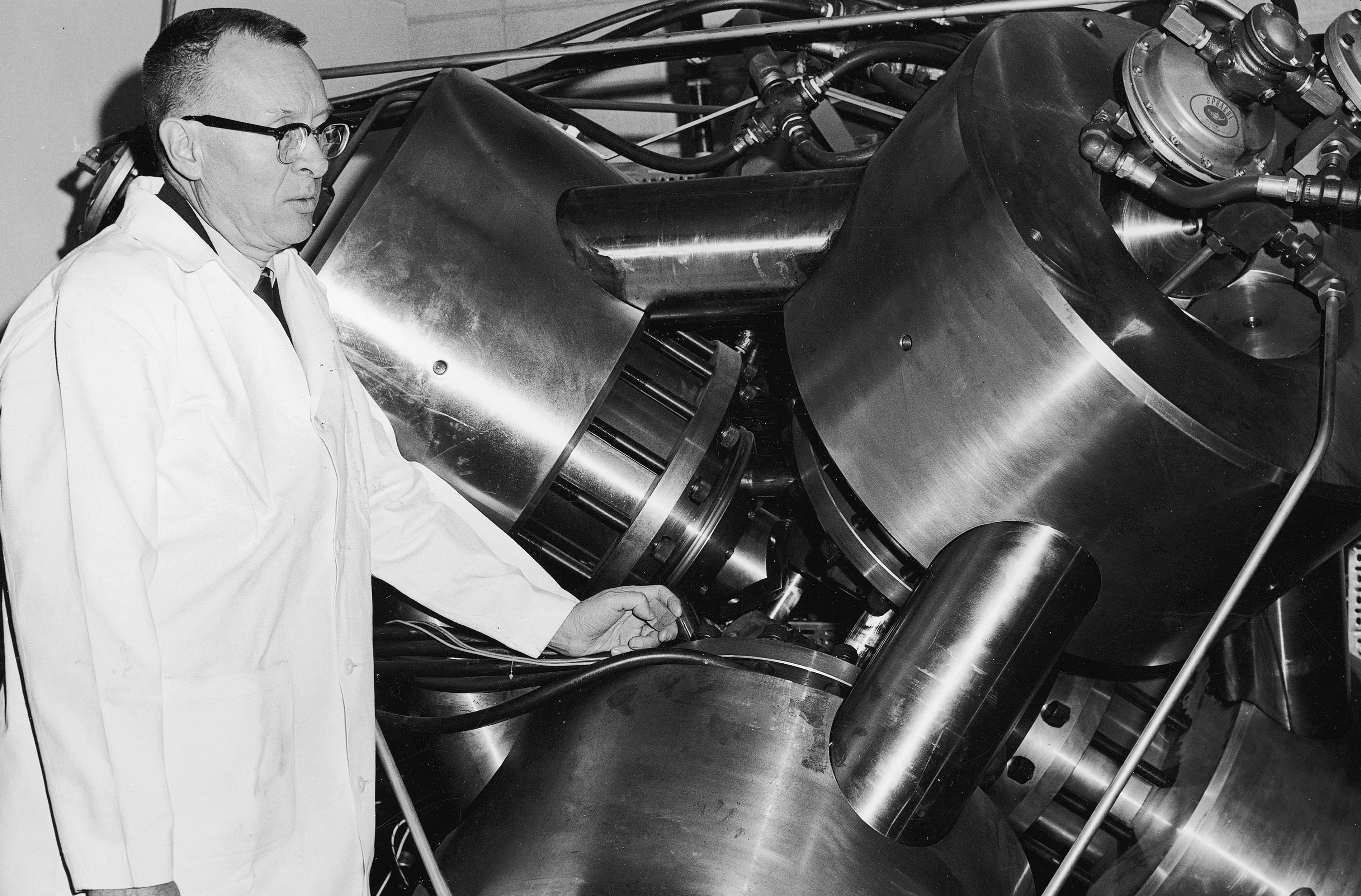
In July 1953, a team of chemical engineers at General Electric — Francis Bundy, Herbert Strong, Robert Wentorf, and Howard Tracy Hall — developed the “Belt” apparatus. The name referred to the ring-shaped tungsten carbide structure that supported the central reaction chamber, reinforced by a band of high-strength steel. This design allowed for a nearly twofold increase in achievable pressure.
A key figure in the project was Tracy Hall, who had previously attempted to synthesize diamond on his own and joined the team with proven methods and hands-on experience.
On December 16, 1954, Tracy Hall and his team successfully synthesized diamonds inside a tantalum container, using a mixture of graphite and iron sulfide, at a temperature of 1,600 °C and a pressure of 7 GPa. The process lasted between one and three minutes, and the largest crystals formed measured up to 0.8 mm.
My eyes caught the glint of dozens of tiny crystals. My hands began to tremble, my knees gave way beneath me — I realized that diamonds had finally been created by man.
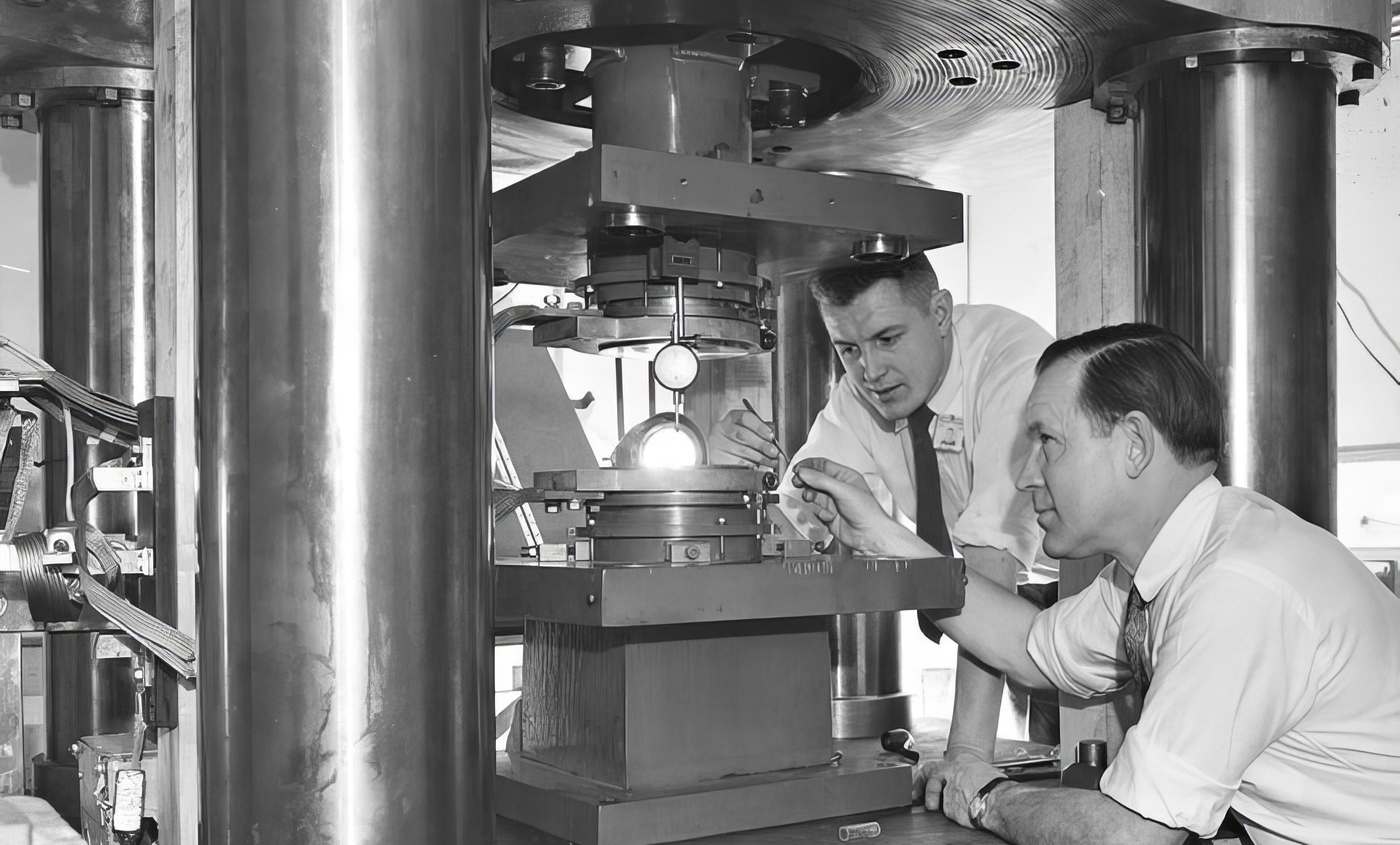
Before making their discovery public, the team had to satisfy GE’s identification requirements for the synthesized stones — such as X-ray analysis, physical-chemical properties, and optical characteristics. Only in March 1955 did General Electric officially announce the breakthrough and immediately began industrial-scale production of HPHT (High Pressure, High Temperature) diamonds.
By 1957, GE reported having produced 100,000 carats of diamond powder. However, at that time, the cost of synthetic diamonds was 24 % higher than that of natural ones.
Observing the success of foreign scientists, the Soviet government was determined not to fall behind the leading countries in the field of diamond synthesis. On March 20, 1959, by order of the Council of Ministers of the USSR, a directive was issued to synthesize and implement a technology for producing synthetic diamonds under high pressure within three years.
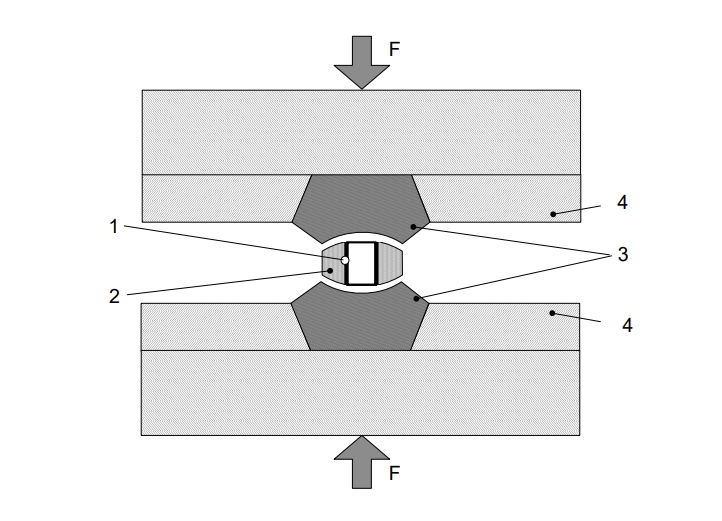
Just one year later, synthetic diamonds were successfully produced at the Institute for High Pressure Physics of the USSR Academy of Sciences by a team led by Leonid Vereshchagin, using a structurally simple yet effective high-pressure apparatus known as the “lens-type” press — the prototype of today’s toroid-type apparatus [9].
Less than a year later, at the Central Design and Technological Bureau for Hard Alloy and Diamond Tools (later the Institute for Superhard Materials of the Academy of Sciences of the Ukrainian SSR, Kyiv), industrial diamond production was launched under the leadership of Vladimir Bakul.
Initially, the production cost was high — 135 rubles per carat, roughly 30 times more expensive than natural diamonds. As a result, the apparatuses were refined and improved over the following months.
By 1963, a cost-effective and materials-accessible production process was established, enabling the annual output of 3 million carats of synthetic diamonds — enough to fully meet domestic demand and begin export [10].
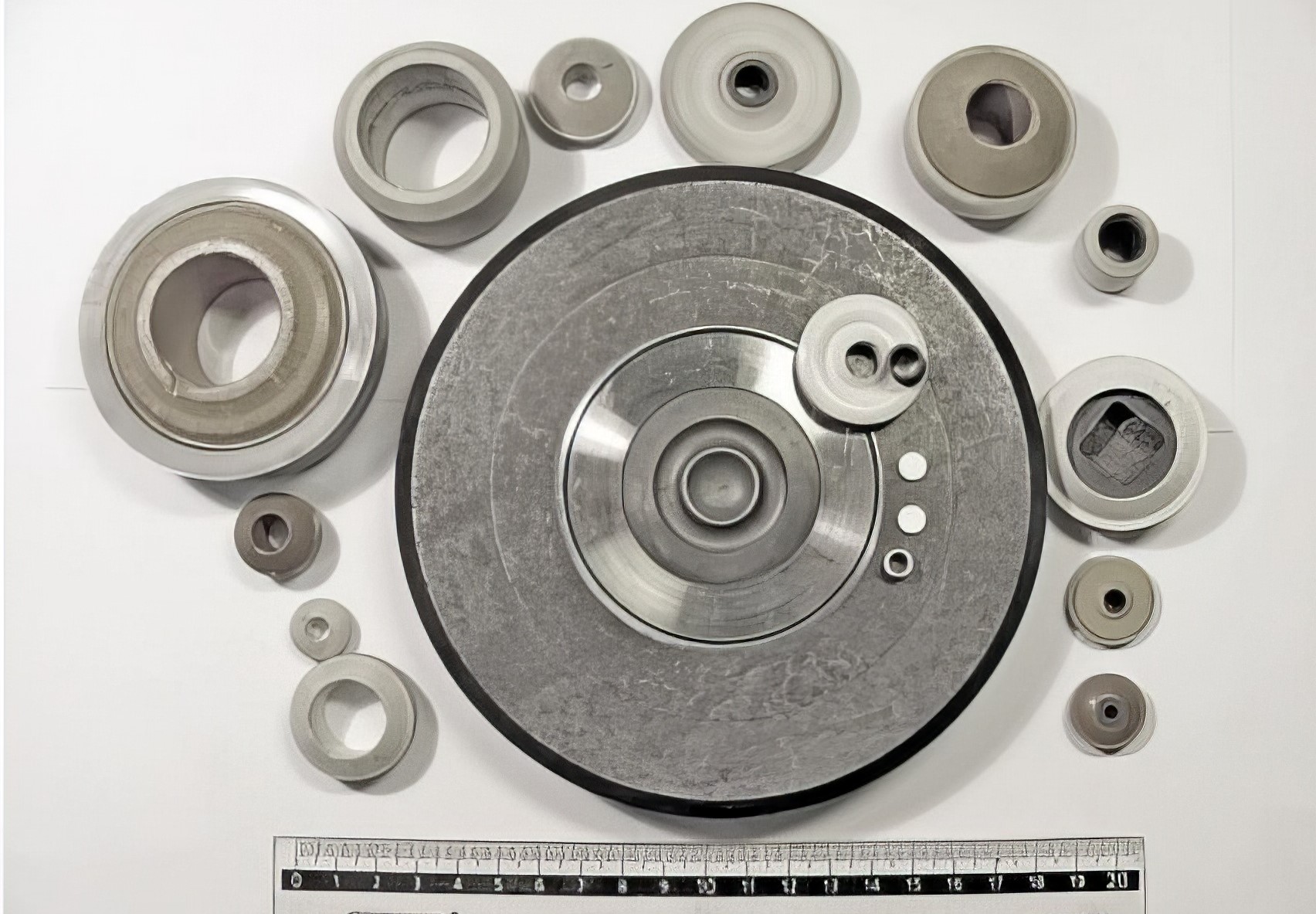
In the years that followed, continuous efforts were made to develop and improve equipment for the production of HPHT diamonds, with the primary goals of reducing production costs and increasing crystal size.
After all, the first industrial batches of synthetic diamonds were of technical grade — achieving gem-quality was still ahead.
At this stage, the focus shifted from merely reaching the required pressure and temperature parameters to maintaining those conditions stably over extended periods during crystal growth.
Advancements in HPHT Diamond Synthesis Technologies
In the 1970s, General Electric succeeded in producing the first gem-quality synthetic diamonds up to one carat in size. However, the production costs were still too high to compete with natural stones.
In 1989, scientists and engineers at the V.S. Sobolev Institute of Geology and Mineralogy of the Siberian Branch of the Russian Academy of Sciences (Novosibirsk) developed a unique high-pressure apparatus known as BARS (Split-Sphere, Non-Press Apparatus) [11].
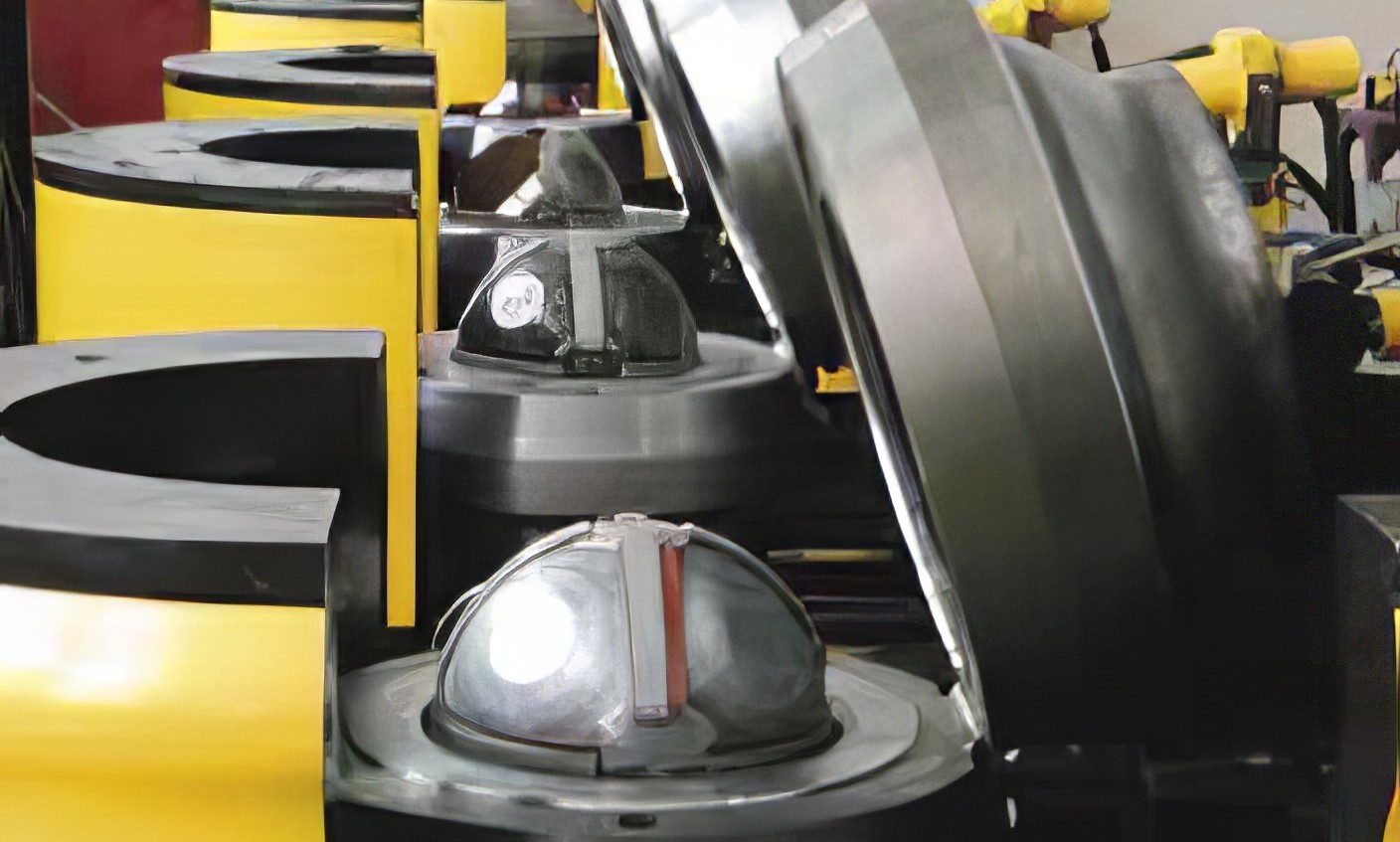
The apparatus allows pressure of up to 8 GPa and temperatures of up to 1,800 °C to be maintained with high precision for weeks at a time within a reaction cell of approximately 2 cm³ in volume.
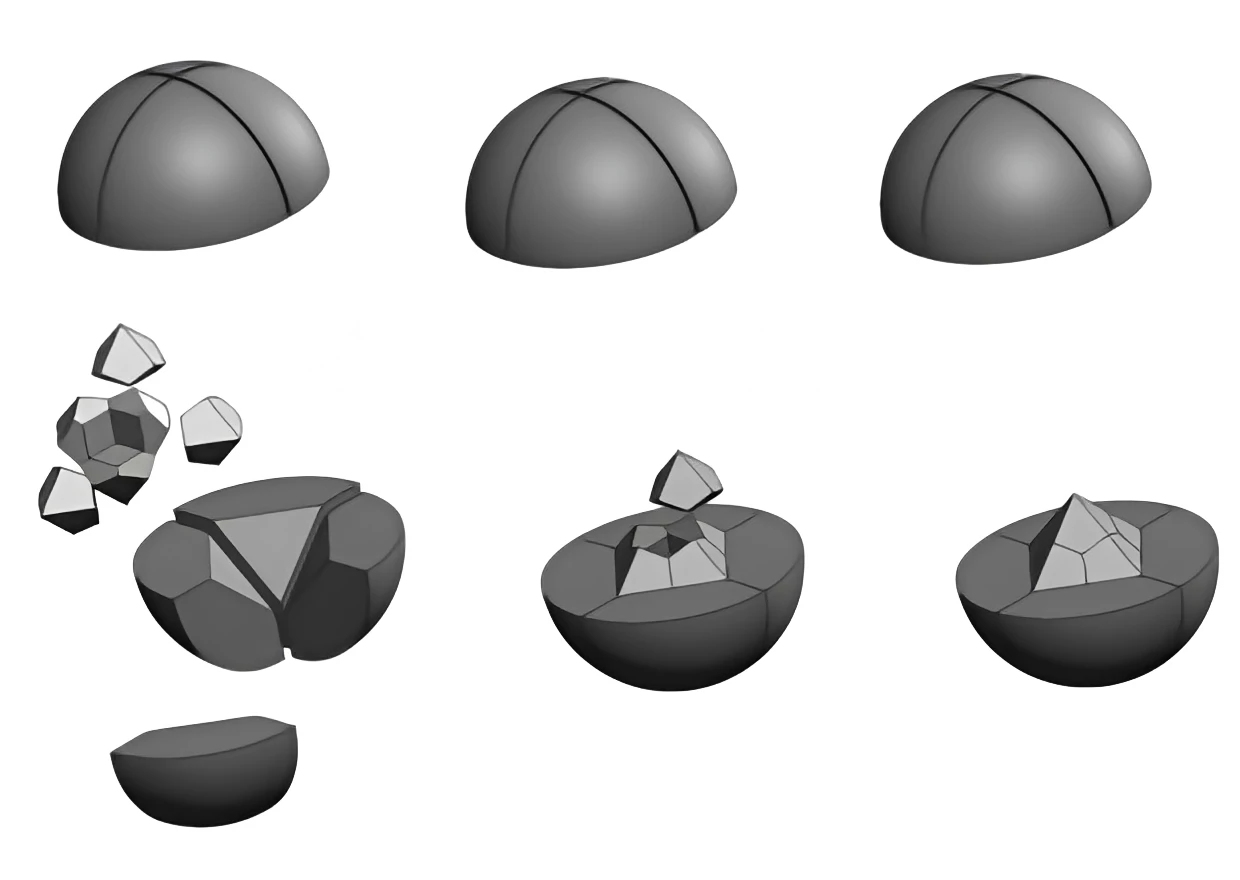
The cubic reaction cell is compressed by six hard alloy pistons positioned at the vertices of an octahedron. These pistons are, in turn, compressed by eight steel punches, which are formed by segmenting a sphere in a specific geometric pattern.
In the early 1990s, the BARS system made it possible to produce diamonds weighing up to 1.5 carats. After certification of the Novosibirsk-grown crystals at leading international scientific centers, the apparatus and accompanying technological process were officially recognized and adopted under the terms BARS equipment, BARS technology, and BARS diamonds in foreign literature.
Later on, engineers in various countries developed modified versions of similar high-pressure apparatuses. These included the Toroid system (Russia), further developed from Vereshchagin’s work, the 6/8-type Kawai press (Japan), and the Walker-type apparatus (USA).
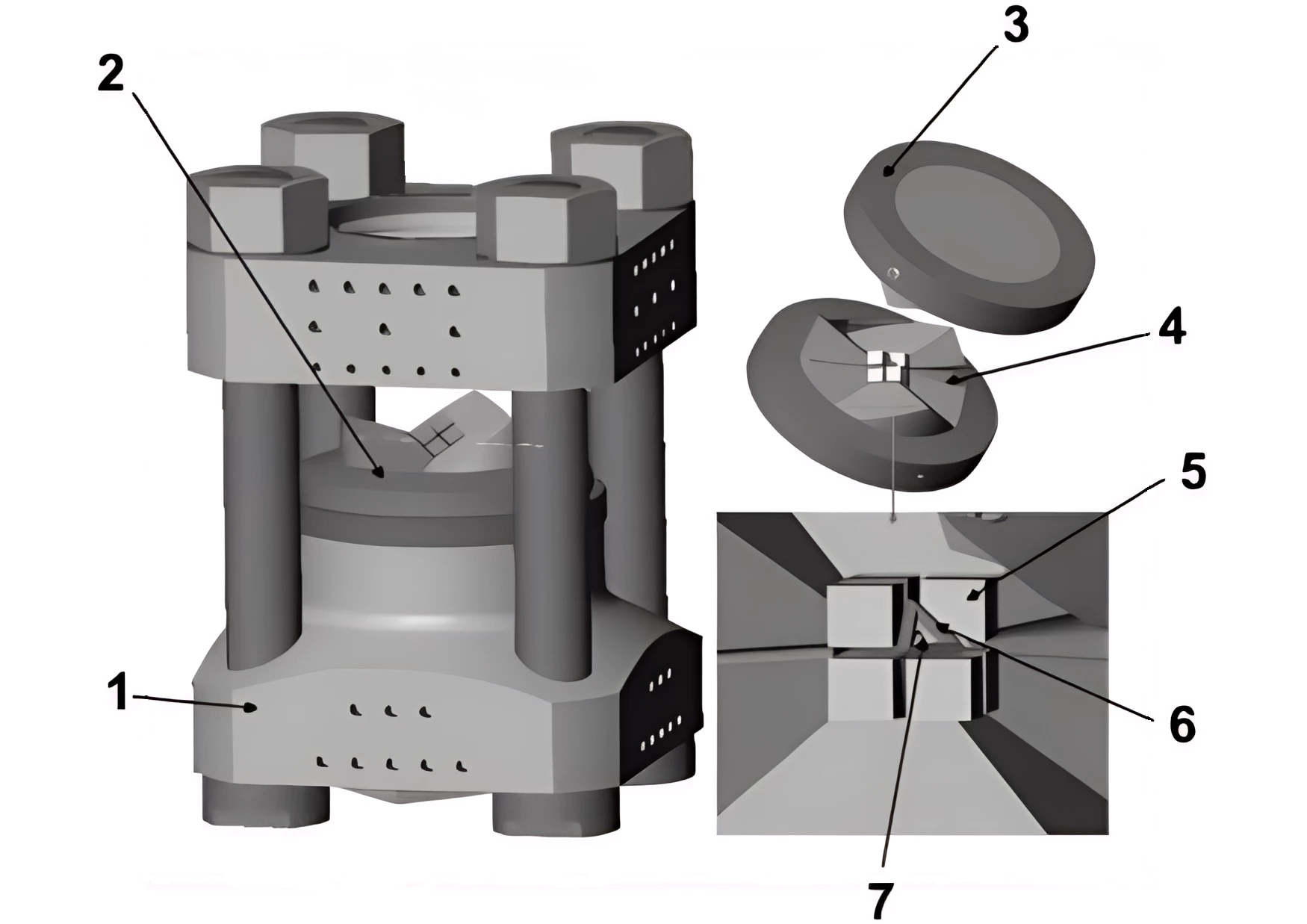
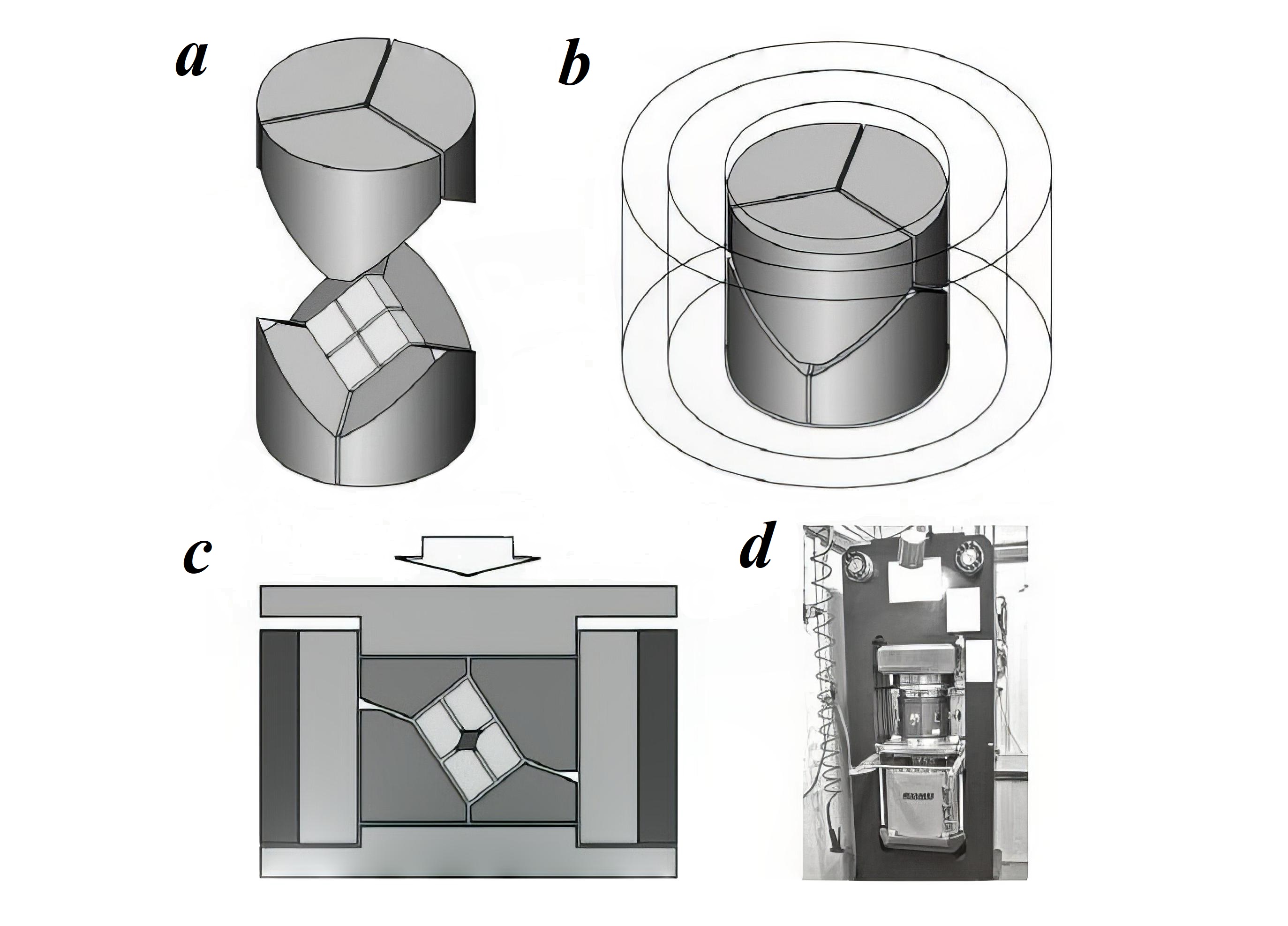
As we approach the present day, it is worth noting that Toroid-type and BARS-type presses are still used by some manufacturers. However, modern technologies for gem-quality diamond synthesis are increasingly being implemented using multi-ton cubic presses, most of which are now manufactured by Chinese companies.
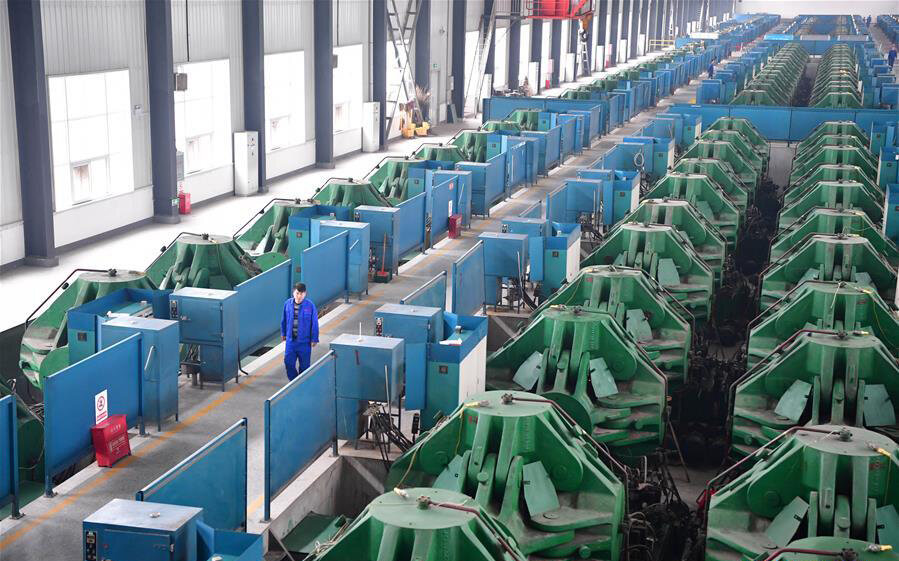
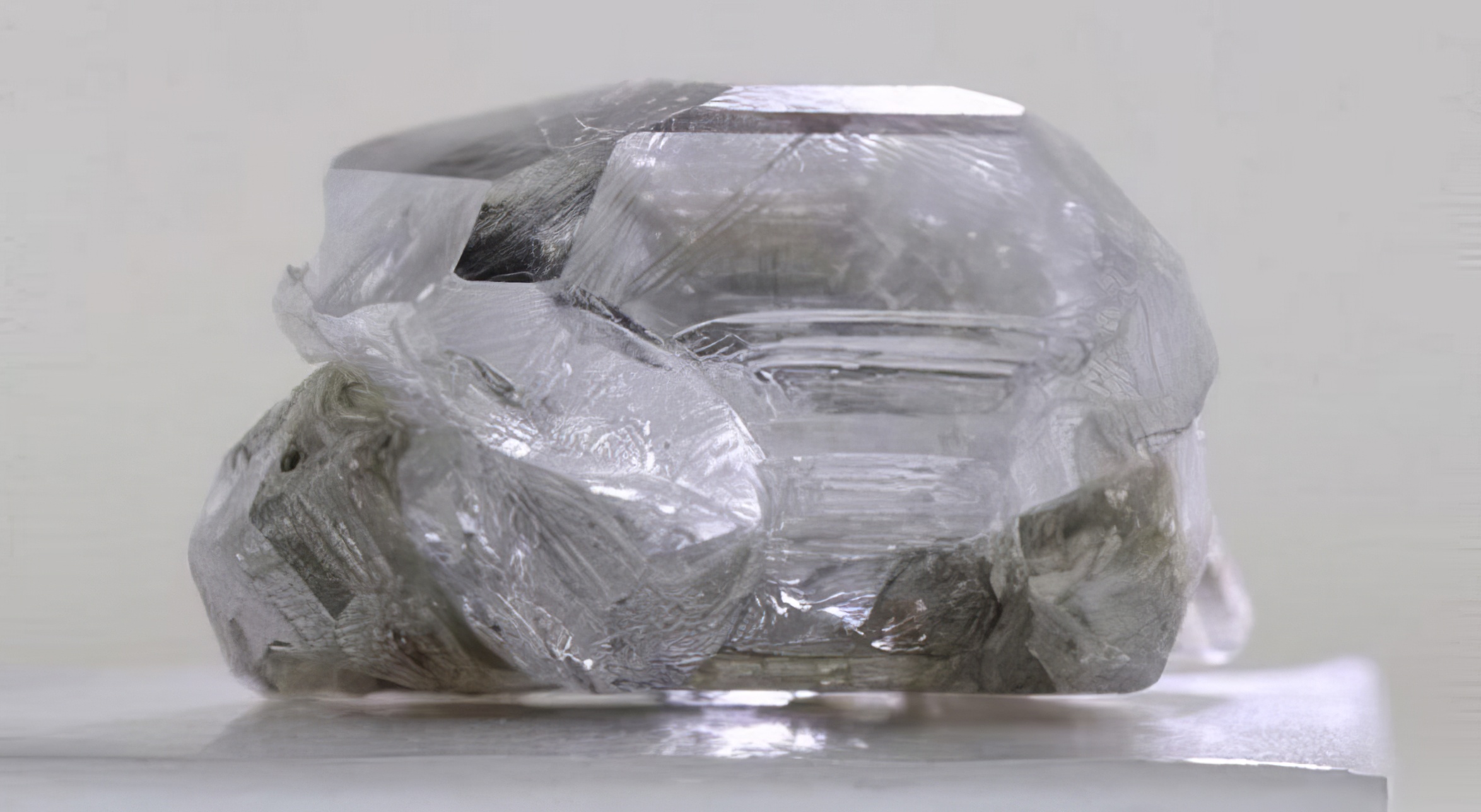
Since the mid-2010s, manufacturers have been presenting to the public record-breaking lab-grown diamonds in terms of carat weight, color, and clarity — including stones weighing 10 carats, 15 carats, and even 17 carats.
The Era of CVD Diamond Synthesis
An interesting episode occurred in the winter of 1942 in Kazan, where the Leningrad Institute of Chemical Physics had been evacuated along with its staff. Professor David Frank-Kamenetsky injured his hand and was forced to step away from his primary work on explosives for a couple of weeks. He decided to devote this time to the topic of diamond synthesis [10].
The scientist predicted the possibility of producing diamonds at reduced pressures. He believed that the process could be achieved in a gaseous environment using diamond seeds as nucleation points.Frank-Kamenetsky focused on the amount of carbon required for crystal growth and concluded that too much carbon would lead to the formation of graphitic structures. In his view, methane was the most suitable gas for the synthesis process. He also noted that diamond growth is a slow process — growing a 1-gram crystal could take about a year.
All three factors — temperature, pressure, and the amount of carbon — must be in strict balance with one another. It is therefore not surprising that attempts to grow diamonds under randomly selected, uncalculated conditions have never led to success.
Unfortunately, the war and more urgent tasks at the time did not allow this work to continue. The scientist returned to the development of explosives, and his manuscript was never published.
In 1956, Soviet researchers Boris Spitsyn and Boris Deryagin investigated a method for synthesizing diamond at reduced pressure from a gaseous environment, using carbon tetrabromide and carbon tetrachloride. These experiments revealed the necessity of introducing atomic hydrogen into the crystallization zone to suppress graphite formation and enable the growth of mono- and polycrystalline diamond films [12].
Furthermore, it was demonstrated that crystals up to several tens of microns in size could be grown not only on diamond seed crystals, but also on foreign substrates. These developments largely defined the key directions in the field of diamond and diamond-like thin film materials, synthesized in a gaseous environment under reduced pressure [13].
In 1962, William Eversole of Union Carbide Corporation (USA) presented the first documented attempt to grow diamonds at low pressure using a process known as chemical vapor deposition (CVD). He became the first person to successfully create CVD diamonds.
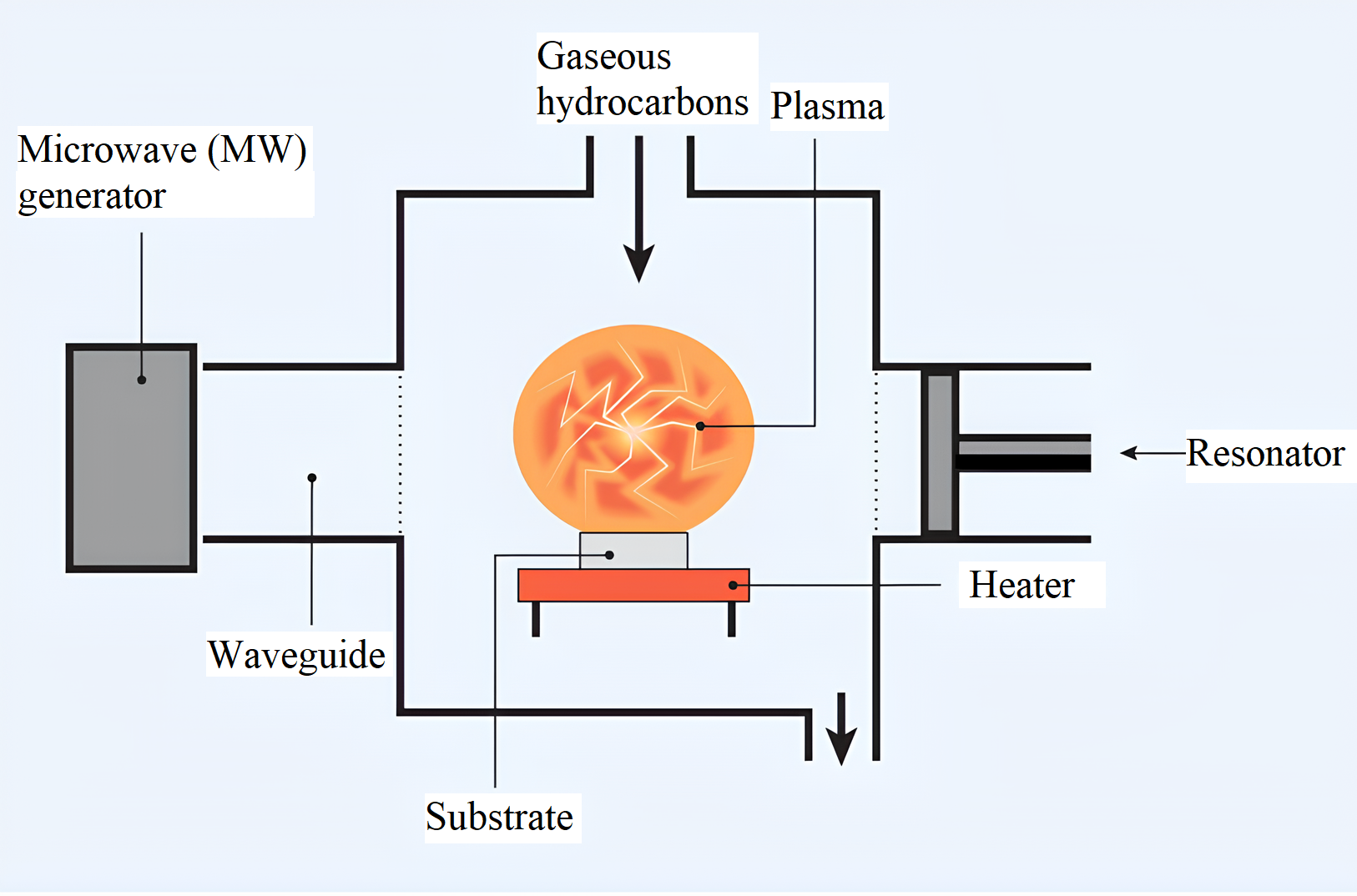
According to patent data [14], Eversole used carbon-containing gases — such as methane, carbon tetrachloride, or carbon monoxide — which were heated to an average of 1,000 °C under reduced pressure in the presence of diamond seed crystals. The process had to be periodically stopped to remove graphite buildup from the growing diamond surface.
Although the experiment was successful, it revealed a very low growth rate — around 0.01 μm/hour. As a result, commercial production of such diamonds was deemed technically and economically unfeasible at the time, and the technology was set aside for several decades.
It was only in the early 1990s that Japanese chemists launched an intensive program to study the role of atomic hydrogen in diamond synthesis via chemical vapor deposition. Mutsukazu Kamo, Seiichiro Matsumoto, and Yoichiro Sato achieved diamond growth rates of several micrometers per hour, surpassing Eversole’s work [15].
Thus, with the start of the 2000s, the era of CVD diamond production had begun.
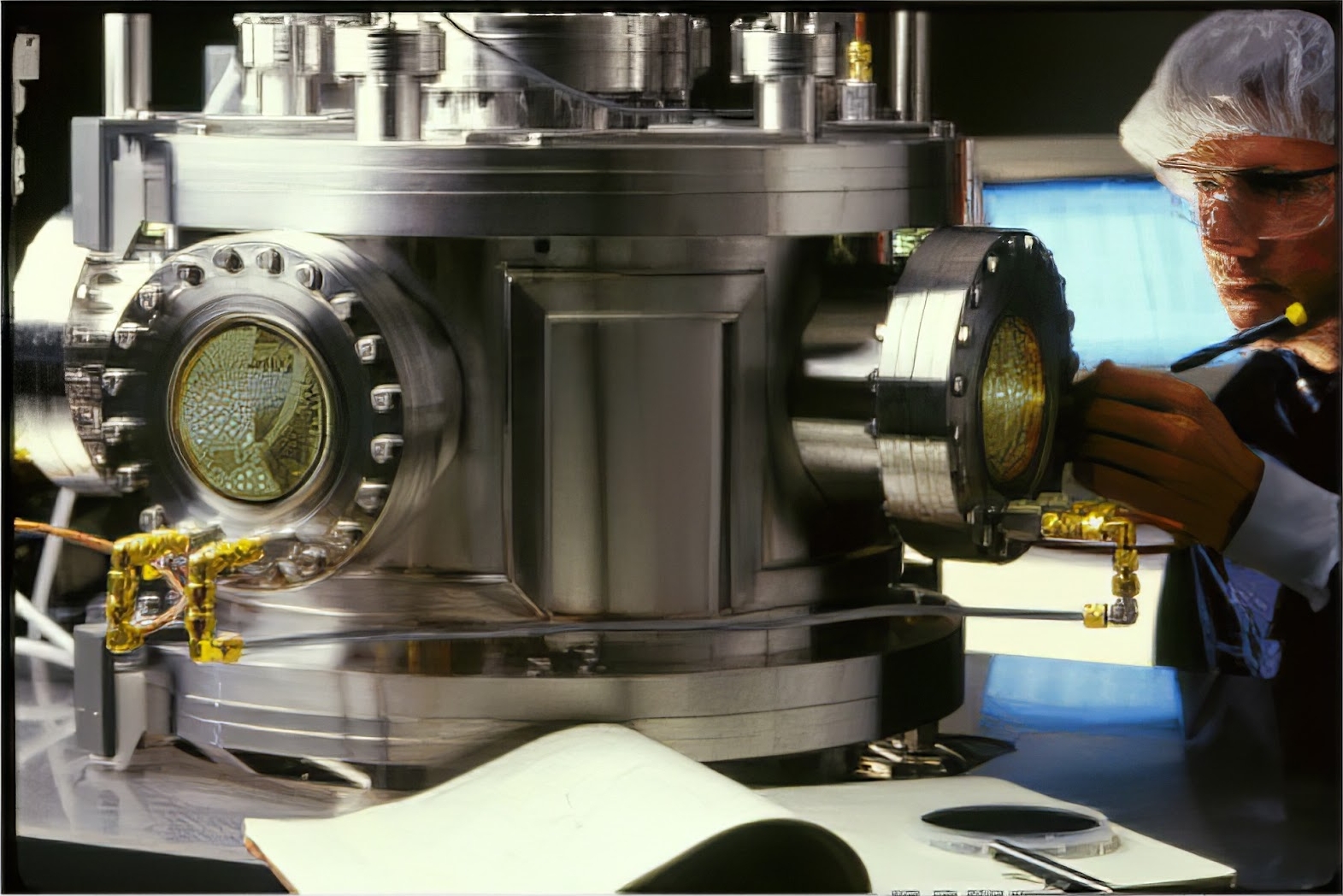
In 2003, Apollo Diamond succeeded in synthesizing CVD diamonds of conditionally gem-quality. The Gemological Institute of America (GIA) evaluated the first samples — small, brownish crystals — but was unable to assign them any standard grading.
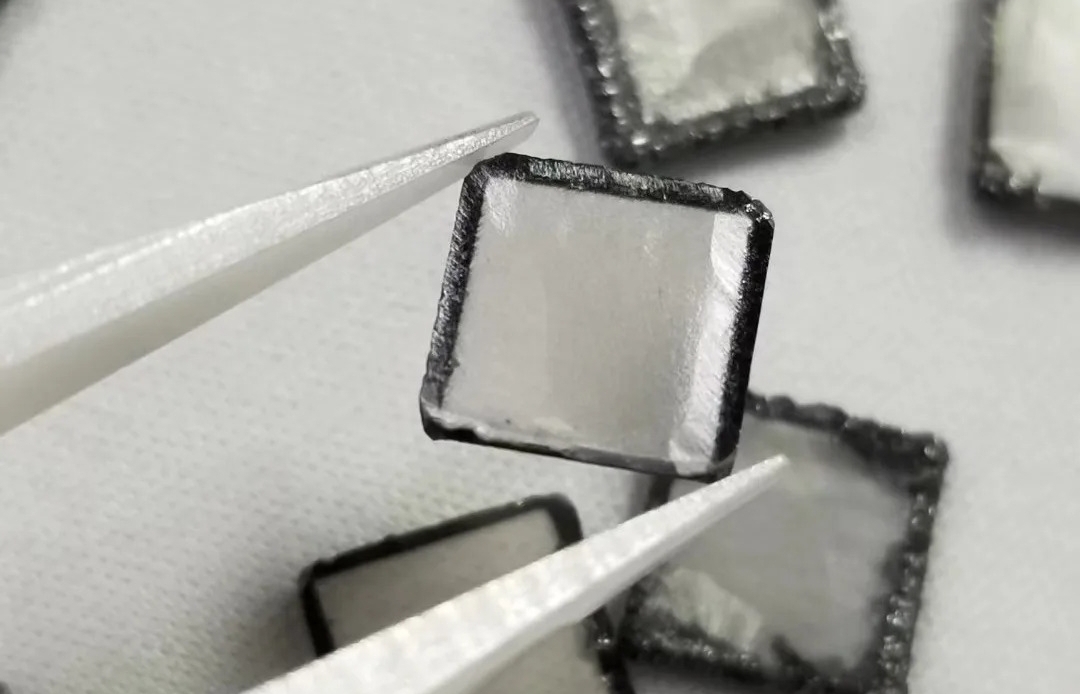
Four years later, the same company presented GIA gemologists with round brilliant-cut diamonds weighing up to 0.62 carats, with color grades as high as E and clarity up to VVS1. These included fancy-colored diamonds in brown-pink, orange-brown, and dark orangy-brown shades (e.g., Fancy Brown-Pink, Fancy Orange-Brown, Fancy Dark Orangy Brown).
Thus, despite a slight delay compared to other methods, CVD technology entered the synthetic diamond market in full force. Today, more than one-third of all gem-quality synthetic diamonds are produced using the CVD method — and in most cases, these are large crystals, often exceeding 4 carats in rough.
A Revolution in Synthesis: Diamonds in Fractions of a Second
In 2022, Russian scientists published a patent for a “Method of Detonation Synthesis of Polycrystalline Diamond” [16]. The essence of this method lies in producing ultradispersed nanodiamond powder through the detonation of explosive materials.
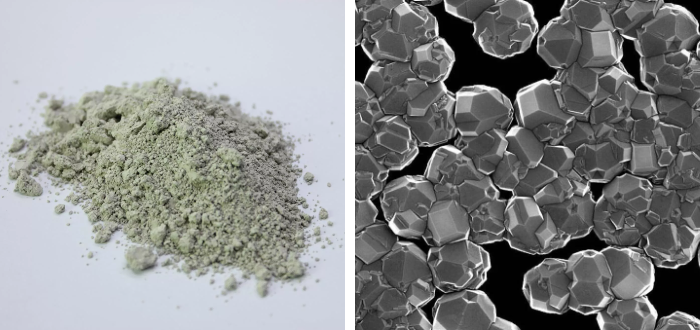
The first detonation-based diamond synthesis in Russia was carried out in 1963 at VNIIEF (Russian Federal Nuclear Center) under the leadership of Academician Yevgeny Zababakhin. However, the method remained classified as “top secret” for many years.
At the time, ultradispersed diamonds saw limited application due to several factors:
- The complex and costly purification process required to remove impurities and byproducts of the explosion;
- The inhomogeneous nature of the resulting material and the difficulty of controlling particle size;
- The lack of understanding of their unique properties.
With the advent of nanotechnology, the scope of nanodiamond applications has rapidly expanded — from polishing pastes and lubricants to pharmaceuticals and quantum computing. As a result, interest in nanodiamond production has been growing exponentially.
Conclusion
We are only at the beginning of understanding the full potential of diamonds. Further research will allow us to uncover even more secrets of this remarkable material and apply it to solving important scientific and technological challenges.
The advancement of diamond synthesis technologies continues to this day, as do the expanding fields of application for synthetic diamonds. Beyond the jewelry market, they are now widely used in industry, electronics, medicine, optics, construction, and more. Diamond synthesis is experiencing a period of rapid growth — China alone produces around 10 billion carats annually.
The future development of this field will depend both on fundamental research and the practical needs of various industries. The successful evolution of the synthetic diamond market will require collaborative efforts from scientists, engineers, manufacturers, and regulators.
References
No items defined
